
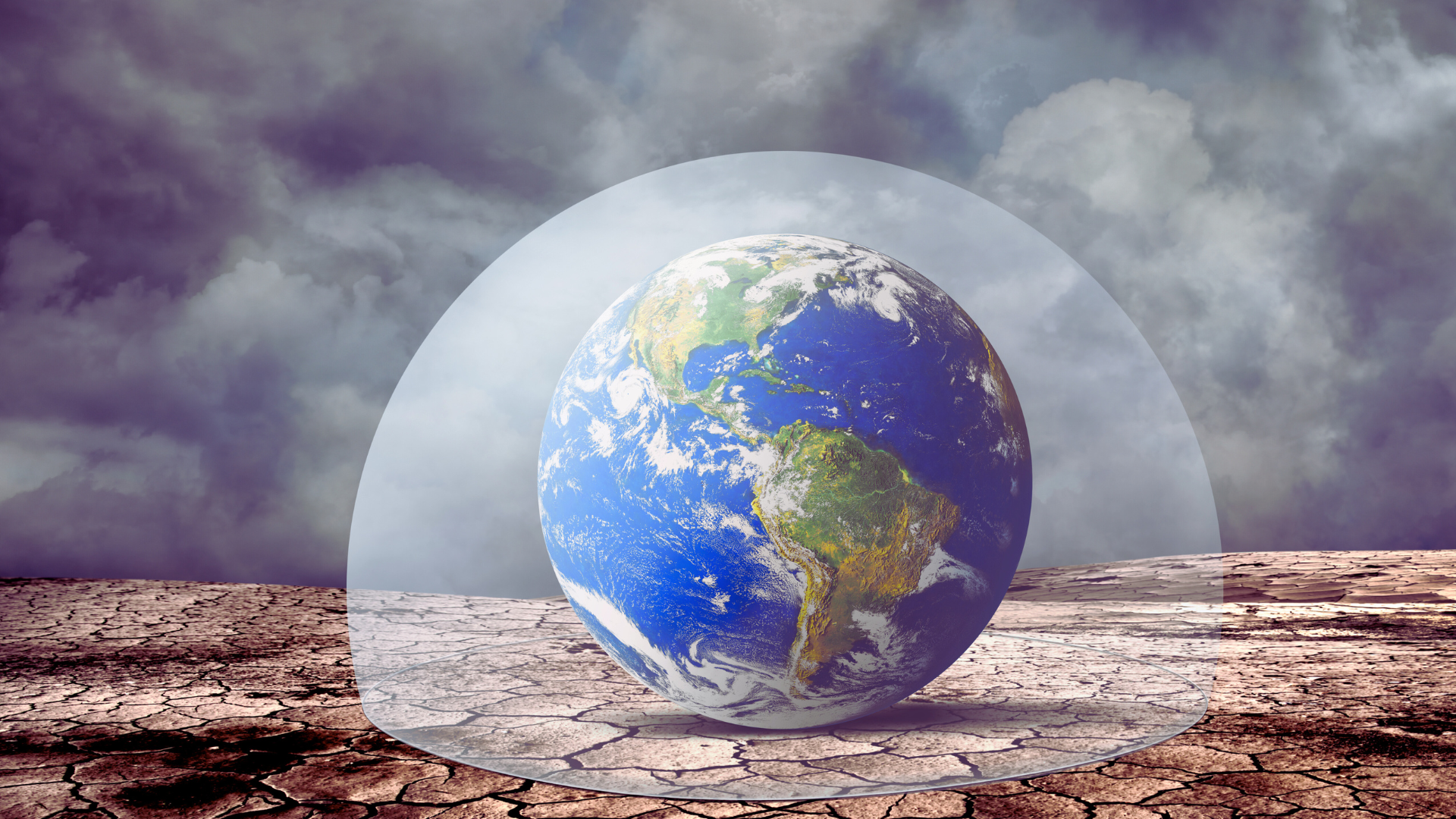
Climate change is one of the most pressing issues facing the world today, influencing climates, ecosystems, and human societies. A significant factor in this phenomenon is global warming, driven by greenhouse gas emissions from human activities such as fossil fuel combustion and deforestation. The impact of climate change manifests in rising sea levels, extreme weather patterns, and shifting wildlife habitats, highlighting the urgency for widespread understanding and action.
As the planet warms, the consequences will be felt across multiple sectors, including agriculture, water resources, and health. Scientists predict that without substantial reductions in greenhouse gas emissions, the effects of climate change will worsen, leading to increasingly severe impacts on both natural and human systems. Addressing these challenges requires a collective effort to both mitigate emissions and adapt to changing conditions.
Knowledge of the mechanisms of climate change enhances awareness of its implications. By examining the relationship between human activity and environmental shifts, individuals and policymakers can better comprehend the critical importance of sustainable practices. Engaging in this discourse is essential for fostering strategies that will enable societies to thrive in a changing world.
Fundamentals of Climate Change
Climate change is driven by a combination of historical patterns, scientific insights, and human activities. Understanding climate change involves examining past data, the role of greenhouse gases, and the systems governing Earth’s climate.
Historical Overview and Scientific Understanding
The evolution of climate understanding began with early observations of natural phenomena. The Industrial Revolution marked a significant shift, as human activities, particularly the burning of fossil fuels, altered atmospheric conditions. Evidence collected by the Intergovernmental Panel on Climate Change (IPCC) demonstrates that global temperatures are rising in relation to increasing concentrations of greenhouse gases, notably carbon dioxide and methane. Pre-industrial levels of carbon dioxide were around 280 ppm, while current levels exceed 410 ppm. Climate models are critical for predicting future trends, showing how temperature increases correlate with anthropogenic emissions.
Greenhouse Gases and Atmospheric Conditions
Greenhouse gases trap heat in the atmosphere, leading to a warming effect known as the greenhouse effect. Key gases include:
- Carbon Dioxide (CO₂): From fossil fuel combustion and deforestation.
- Methane (CH₄): Emitted during natural gas production and agricultural practices.
- Nitrous Oxide (N₂O): Resulting from agricultural and industrial activities.
These gases have increased significantly due to human activities, which has disrupted the natural balance. Effective climate policies require a reduction in greenhouse gases to mitigate warming. Monitoring these gases is crucial for understanding and addressing climate impacts.
Earth’s Climate Systems and Human Influence
The climate system comprises various interconnected components, including the atmosphere, oceans, and ice sheets. Human influence plays a pivotal role in altering these systems. Land-use changes, such as deforestation, impact local climates and biodiversity.
Ocean temperatures are rising, contributing to more severe weather patterns and rising sea levels. Industrial practices have resulted in increased carbon emissions, affecting the balance of the carbon cycle. Understanding these systems aids in developing strategies for adaptation and mitigation to lessen climate change effects.
Impacts of Climate Change on the Environment
Climate change significantly affects various environmental aspects, including rising sea levels, the occurrence of extreme weather events, and changes in biodiversity. These impacts are interconnected and can lead to profound changes in ecosystems and the services they provide.
Rising Sea Levels and Ice Loss
Rising sea levels are primarily caused by the melting of ice sheets and glaciers, as well as the thermal expansion of seawater. The Greenland and Antarctic ice sheets are particularly vulnerable, with substantial loss occurring over the past few decades.
- Current Estimates: Global sea levels have risen by approximately 20-25 cm since 1880, with projections estimating further increases of up to 1 meter by 2100 if current trends continue.
Coastal ecosystems like mangroves and salt marshes are under threat from encroaching waters. These habitats play crucial roles in protecting shorelines and supporting diverse marine life.
Extreme Weather Events and Ecosystems
The frequency and intensity of extreme weather events have escalated, influenced by changing climate patterns. Events such as hurricanes, floods, and droughts disrupt ecosystems and can lead to significant ecological damage.
- Hurricane Impact: Hurricanes can lead to the destruction of coastal habitats and promote saltwater intrusion into freshwater systems, affecting both flora and fauna.
Such disturbances often result in habitat loss and shifting species distributions. This can create challenges for conservation and management efforts aimed at maintaining healthy ecosystems.
Changes in Biodiversity and Ecosystem Services
Climate change directly impacts biodiversity, resulting in shifts in species composition and distribution. Many species are struggling to adapt to rapidly changing environments, leading to increased rates of extinction.
- Biodiversity Loss: Coral reefs face bleaching events due to rising ocean temperatures and acidification, which jeopardises marine biodiversity.
Ecosystem services—such as pollination, water purification, and carbon sequestration—are also at risk. The decline in biodiversity diminishes the resilience of ecosystems, reducing their ability to adapt to environmental changes.
Societal Challenges and Response to Climate Change
Climate change presents significant societal challenges, particularly affecting agriculture, human health, and social inequalities. Effective responses are crucial to mitigate these impacts and support vulnerable populations facing these adversities.
Impact on Agriculture and Food Security
Climate change disrupts agriculture through altered rainfall patterns, increased temperatures, and extreme weather events. These changes can lead to reduced crop yields and increased pest and disease pressure.
Regions heavily reliant on agriculture, especially in developing countries, are at greater risk of food insecurity. Farmers face challenges in maintaining production levels, leading to potential shortages and increased prices for staple foods.
As a result, communities may experience heightened food insecurity, disproportionately affecting lower-income populations who can least afford higher prices. Strategies focused on resilient agricultural practices are critical to adapt to these changes.
Health Implications and Vulnerable Populations
The health impacts of climate change are profound, particularly for vulnerable populations such as the elderly, children, and those with pre-existing health conditions. Increased temperatures can exacerbate respiratory and cardiovascular diseases, while extreme weather events heighten risks of injury and mental health issues.
Food and water scarcity can lead to malnutrition and increased disease transmission due to compromised sanitary conditions. Additionally, changing climate patterns facilitate the spread of vector-borne diseases like malaria and dengue fever, further endangering public health.
Addressing these health implications requires targeted interventions and resources to protect the most vulnerable members of society.
Global and Regional Effects on Society
Climate change manifests differently across regions, influencing social structures and economic stability. Coastal communities face rising sea levels, which threaten infrastructure and livelihoods, while regions prone to droughts struggle with water scarcity.
Such disparities often exacerbate existing social inequalities. Marginalised groups may lack the resources to adapt or recover from climate-related impacts, leading to increased poverty and displacement.
International cooperation is essential to develop frameworks for addressing these global challenges while ensuring equity among regions. Collaborative efforts can improve resilience and resource allocation.
Climate Change Adaptation Strategies
Adaptation strategies are crucial for mitigating the impacts of climate change on society. These include promoting sustainable agricultural practices, investing in resilient infrastructure, and enhancing public health systems.
Communities can employ techniques such as crop diversification, improved water management, and disaster preparedness plans. These strategies enable societies to better withstand climate-related shocks and maintain food security.
Additionally, education and awareness play vital roles in fostering community engagement and resilience. Empowering populations through knowledge enhances their ability to adapt and thrive in a changing climate.
Advancing Climate Action
Addressing climate change requires robust efforts in mitigation and policy, alongside international collaboration. Effective actions can lead to significant reductions in greenhouse gas emissions and a transition towards sustainable energy sources.
Mitigation Efforts and Renewable Energy
Mitigation efforts focus on reducing the impact of climate change. Transitioning from fossil fuel burning to renewable energy sources is crucial. Technologies such as solar, wind, and hydroelectric power offer sustainable alternatives that significantly lower carbon footprints.
The Intergovernmental Panel on Climate Change (IPCC) stresses the importance of these changes. According to their reports, accelerating the adoption of renewable technologies can achieve a 70% reduction in emissions by 2050.
Governments can support these efforts through incentives for renewable energy projects. This includes tax credits, subsidies, and grants aimed at developing clean energy infrastructures.
Climate Policy and International Collaboration
Effective climate policy requires international cooperation. Climate change is a global issue and many countries must work together to achieve meaningful progress. Agreements, such as the Paris Agreement, set binding targets to limit global warming.
Data from climate records indicate that collective action can help meet these goals. Countries are encouraged to share climate data records and best practices.
Furthermore, international collaboration enables shared funding and technology transfer. Collaborative efforts can aid developing nations in implementing sustainable practices.
Policies must emphasise long-term commitments to energy efficiency and emissions reductions. Governments should also ensure compliance and transparency in climate objectives to build trust and accountability among nations.