
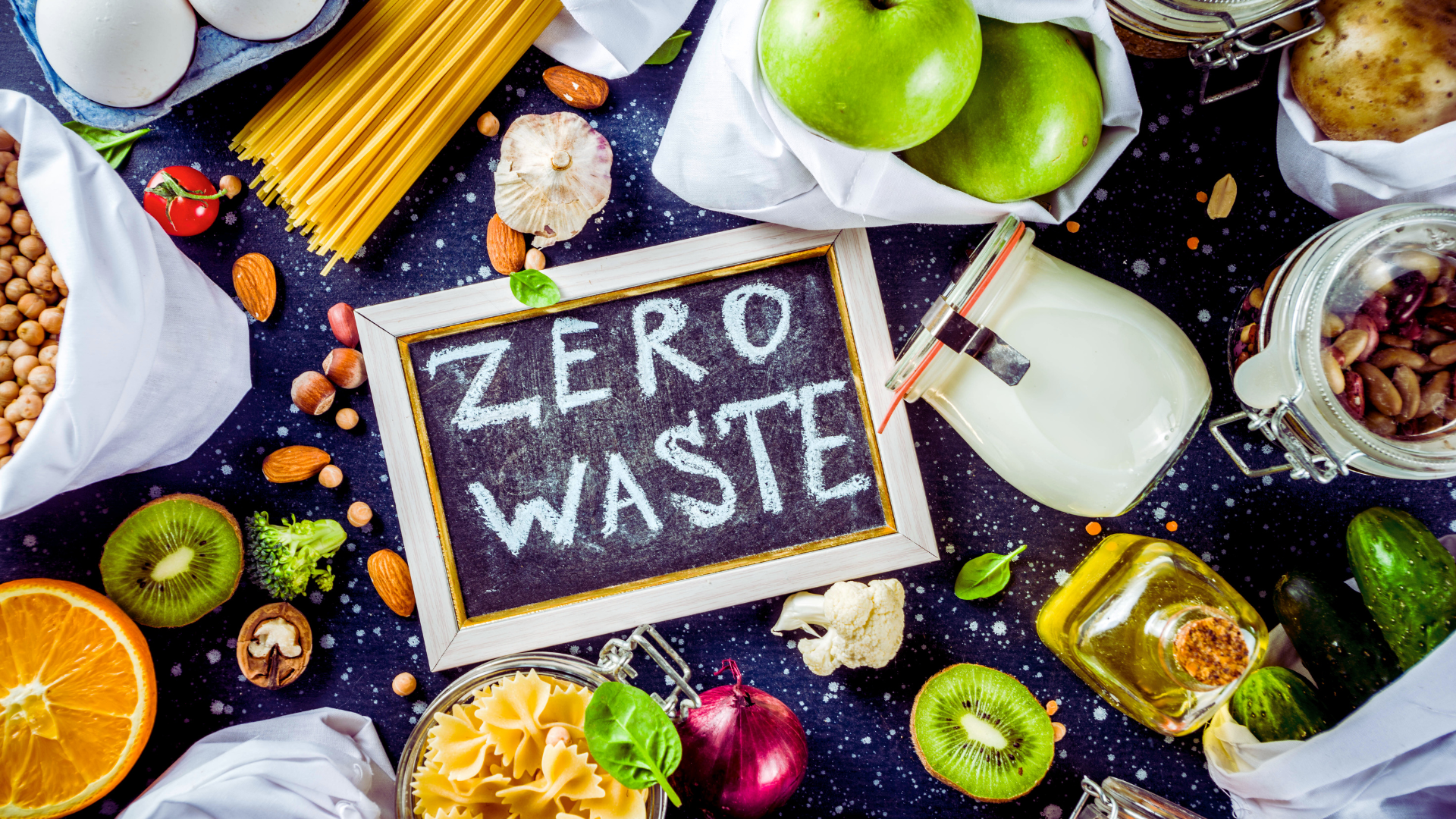
Food waste is a significant issue affecting households and the environment. Implementing a few simple strategies can drastically reduce food waste and save money. By being mindful of purchasing habits and storage methods, one can make a substantial difference in the amount of food that goes unused.
Understanding how to use leftovers creatively is key to minimising waste. Many people overlook the potential of salvaging partially used ingredients or repurposing meals. A little creativity in the kitchen can turn surplus food into delicious new dishes.
Moreover, planning meals effectively and making a shopping list helps in avoiding impulse buys and ensuring only necessary items are purchased. With these practical tips, anyone can contribute to reducing food waste and promote a more sustainable lifestyle.
Understanding Food Waste
Food waste significantly contributes to climate change, as discarded food generates greenhouse gases in landfills. Additionally, evaluating the shelf life of products can help consumers minimise waste in their households.
The Impact of Food Waste on Climate Change
When food is thrown away, it leads to unnecessary resource use. This includes water, energy, and labour that went into producing it.
The decomposing matter in landfills emits methane, a potent greenhouse gas with a much greater warming potential than carbon dioxide. The UK produces about 10 million tonnes of edible food waste each year, resulting in a substantial carbon footprint.
Reducing food waste can help mitigate these impacts. Better meal planning, mindful purchasing, and donating surplus food can make a difference. Individuals can contribute by being aware of their consumption patterns and striving to reduce waste in their daily lives.
Evaluating the Shelf Life of Products
Understanding the difference between best-before dates and use-by dates is crucial. Best-before dates indicate product quality rather than safety, meaning food can still be consumed after this date if stored properly.
To reduce waste, consumers should routinely check their pantry and fridge. Arranging items by expiry date makes it easier to use older products first and avoid spoilage.
Proper storage techniques extend the shelf life of many foods. For example, keeping fruits and vegetables in ideal conditions can slow down decay. By being proactive about the lifespan of products, individuals can significantly cut down on food waste.
Strategic Shopping and Meal Planning
Effective shopping and meal planning are crucial steps in reducing food waste. By preparing in advance, individuals can make informed choices that minimise excess purchasing and ensure that meals are well-balanced and appropriately portioned.
Creating an Effective Shopping List
A detailed shopping list can significantly curtail food waste. This list should be based on the meal plan for the week and focus on specific ingredients needed.
- Organise by category: Group items into categories such as vegetables, proteins, and grains. This approach streamlines the shopping experience and prevents unnecessary purchases.
- Stick to the list: Avoid impulse buys by adhering strictly to the shopping list. Consider setting a budget to avoid overspending.
- Check pantry and fridge: Before shopping, inspect existing supplies to avoid double purchases. This practice ensures that only needed items are bought.
The Importance of Meal Planning
Meal planning plays an essential role in minimising food waste and managing expenses.
- Portion sizes: Planning meals helps in determining the right portion sizes, reducing the chances of leftovers that may go uneaten.
- Diverse recipes: Incorporate a variety of recipes that utilise shared ingredients, ensuring that all purchased items are used efficiently.
- Flexible planning: Allow for adjustments in the meal plan to accommodate unexpected events or changes in schedule. This flexibility can prevent the urge to abandon meals and subsequently waste groceries.
Utilising a comprehensive approach to shopping and meal planning is a practical way to save money and significantly reduce food waste.
Preservation and Storage Techniques
Effective preservation and storage techniques play a crucial role in minimising food waste. Adopting proper methods enhances the lifespan of perishable items and utilises resources efficiently.
Optimising Fridge and Freezer Usage
Maintaining the correct fridge temperature is essential for preserving food. The optimal temperature should be around 1-4°C for fridges and -18°C for freezers. Regularly checking temperatures ensures that food remains fresh for longer.
Using freezer bags or airtight containers effectively protects food from freezer burn. Labelling items with dates allows for easy identification and helps in using older items first.
Organising food items can also reduce waste. Place newer items at the back and older ones at the front. This strategy encourages consumption before items spoil.
Extending Food Lifespan through Preservation
Various preservation methods can effectively extend food longevity. Canning is a time-tested method that involves sealing food in jars and heating them to eliminate bacteria. Pickling enhances flavour while preserving vegetables and fruits in vinegar solutions.
Fermenting boosts the nutritional profile of food while providing unique flavours. Key examples include sauerkraut and kimchi, which rely on beneficial bacteria for preservation.
For items that are nearing their expiration date, composting provides an eco-friendly alternative. By transforming food scraps into nutrient-rich compost, waste is reduced while supporting soil health.
Embracing Imperfect Produce and Utilising Leftovers
Reducing food waste can be effectively achieved by embracing imperfect produce and creatively using leftovers. These practices help maximise the use of available food, contribute to sustainability, and minimise plastic waste.
Supporting Ugly Fruit and Veg Initiatives
Imperfect produce, often referred to as “ugly” fruit and vegetables, may not meet cosmetic standards but is perfectly edible and packed with nutrients. Initiatives like “Love Food Hate Waste” and apps such as “Too Good To Go” promote the use of surplus food by connecting consumers with local businesses offering these products at reduced prices.
Buying ugly produce not only supports local farmers but also reduces the amount of food that goes to waste. Consumers can find these items in grocery stores or farmers’ markets, where they are often sold at discounts. This small switch can lead to significant reductions in food waste while ensuring that fresh fruit and vegetables are put to good use.
Creative Uses for Leftovers and Food Scraps
Utilising leftovers can significantly reduce food waste and promote sustainable food practices. Leftover meals can be transformed into new dishes, such as turning roasted vegetables into a hearty soup or using stale bread for delicious croutons.
Food scraps hold potential as well. Items like carrot tops or onion peels can be used to create homemade stock, enhancing flavour without additional costs. Additionally, composting scraps diverts waste from landfills and enriches soil.
By planning meals and repurposing leftovers, individuals can ensure they make the most out of their groceries, reduce surplus food, and lessen their environmental impact.