
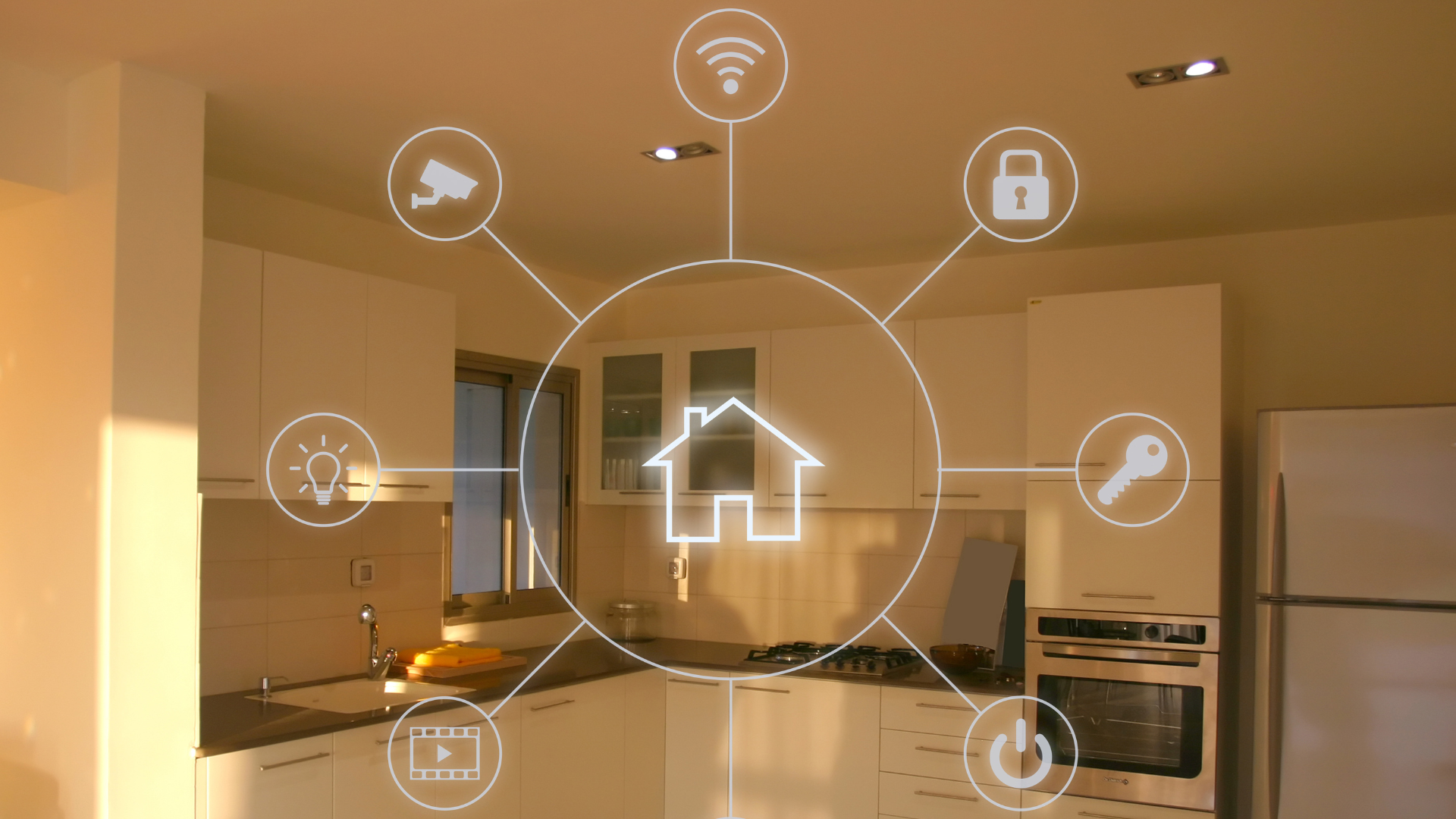
Smart home technology has revolutionized the way we live, work, and interact with our environment. It is a system that enables homeowners to remotely control their home appliances and devices, such as lighting, heating, security systems, and entertainment systems, using their smartphones or other internet-connected devices. The increasing demand for smart home technology is driven by the need for sustainable living. In this article, we will explore the benefits of using smart home technology for sustainable living and the challenges that come with it.
Smart home technology for sustainable living
Smart home technology offers several solutions that support sustainable living, including:
Energy-efficient devices
Smart home devices are designed to conserve energy and reduce waste. For instance, smart LED lights are energy-efficient and can last up to 25 times longer than traditional incandescent bulbs. Smart thermostats are also energy-efficient, as they can learn the user’s temperature preferences and adjust the heating and cooling settings accordingly.
Automated lighting and heating systems
Smart lighting and heating systems enable homeowners to control the intensity and duration of their lighting and heating, depending on their needs. Modern solutions like an efficient heating mat can be seamlessly integrated into these automated systems, allowing for precise temperature control and further reducing energy consumption. They can also automate their lighting and heating systems to turn off when they are not in use, reducing their energy consumption and carbon footprint.
Smart thermostats
Smart thermostats allow homeowners to monitor and control their home temperature remotely, thereby reducing their energy bills and carbon footprint. They can also be set as per the homeowner’s preferences and arrange the temperature accordingly. This provides optimal comfort while conserving energy. However, to get the most out of these systems, proper installation and calibration are necessary. To ensure this, homeowners can look for HVAC experts in Albuquerque (provided that’s where they reside). These professionals understand the local climate conditions and can ensure the thermostat is configured for maximum efficiency year-round. Taking such measures results in lasting reliability that can lead to long-term comfort and savings.
Smart irrigation systems
Smart irrigation systems make yard irrigation more efficient by watering only when needed. These systems use real-time data like soil moisture levels and weather conditions to determine the optimal watering schedule, reducing water waste and encouraging healthier plant growth. For proper setup and maximum effectiveness, it’s best to have the system professionally installed to ensure it’s tailored to the homeowner’s landscape’s specific needs.
Smart kitchen appliances
Smart kitchen appliances, such as refrigerators and ovens, can be controlled remotely, allowing homeowners to monitor their energy consumption and reduce waste. For instance, a smart refrigerator can alert homeowners when food is about to expire, reducing food waste.
Smart home security systems
Smart home security systems offer several benefits, including remote monitoring, motion detection, and smartphone alerts. They can also help conserve energy by automatically turning off lights and appliances when they are not in use.
Smart home entertainment systems
Smart home entertainment systems provide an immersive entertainment experience while conserving energy. For instance, smart TVs can automatically adjust their brightness and contrast based on ambient light conditions, reducing energy consumption.
Benefits of smart home technology for sustainable living
Smart home technology offers several benefits for sustainable living, including:
Reduces energy consumption
Smart home technology enables homeowners to monitor and control their energy consumption, reducing waste and conserving energy.
Saves money
Smart home technology can help homeowners save money on their energy bills by reducing their energy consumption.
Convenient and time-saving
Smart home technology can automate several tasks, freeing up time for other activities.
Increases comfort and security
Smart home technology provides optimal comfort and security by allowing homeowners to monitor and control their home environment remotely.
Minimizes environmental impact
Smart home technology helps minimize the environmental impact of human activities by reducing energy consumption and waste.
Challenges of smart home technology for sustainable living
While smart home technology offers several benefits for sustainable living, it also presents some challenges, including:
Cost
The cost of installing and maintaining smart home devices can be prohibitive for some homeowners.
Lack of compatibility between devices
Some smart home devices may not be compatible with each other, making it difficult to integrate them into a single system.
Security and privacy concerns
Smart home technology raises concerns about security and privacy, as hackers can gain access to personal information and control devices remotely.
Conclusion
Smart home technology offers several solutions for sustainable living, including energy-efficient devices, automated lighting and heating systems, smart kitchen appliances, and security systems. While there are some challenges associated with smart home technology, the benefits outweigh the risks. By adopting smart home technology, homeowners can reduce their carbon footprint, save money, and improve their quality of life.
FAQs
- What is smart home technology?
Smart home technology is a system that enables homeowners to remotely control their home appliances and devices, such as lighting, heating, security systems, and entertainment systems, using their smartphones or other internet-connected devices. - How does smart home technology promote sustainable living?
Smart home technology promotes sustainable living by reducing energy consumption, conserving water, minimizing waste, and reducing the environmental impact of human activities. - What are the benefits of using smart home technology for sustainable living?
The benefits of using smart home technology for sustainable living include reducing energy consumption, saving money, convenience, increased comfort and security, and minimizing environmental impact. - What are the challenges of smart home technology for sustainable living?
The challenges of smart home technology for sustainable living include cost, lack of compatibility between devices, and security and privacy concerns. - How can homeowners adopt smart home technology?
Homeowners can adopt smart home technology by installing compatible devices and using a single control system to integrate them into a single network.