
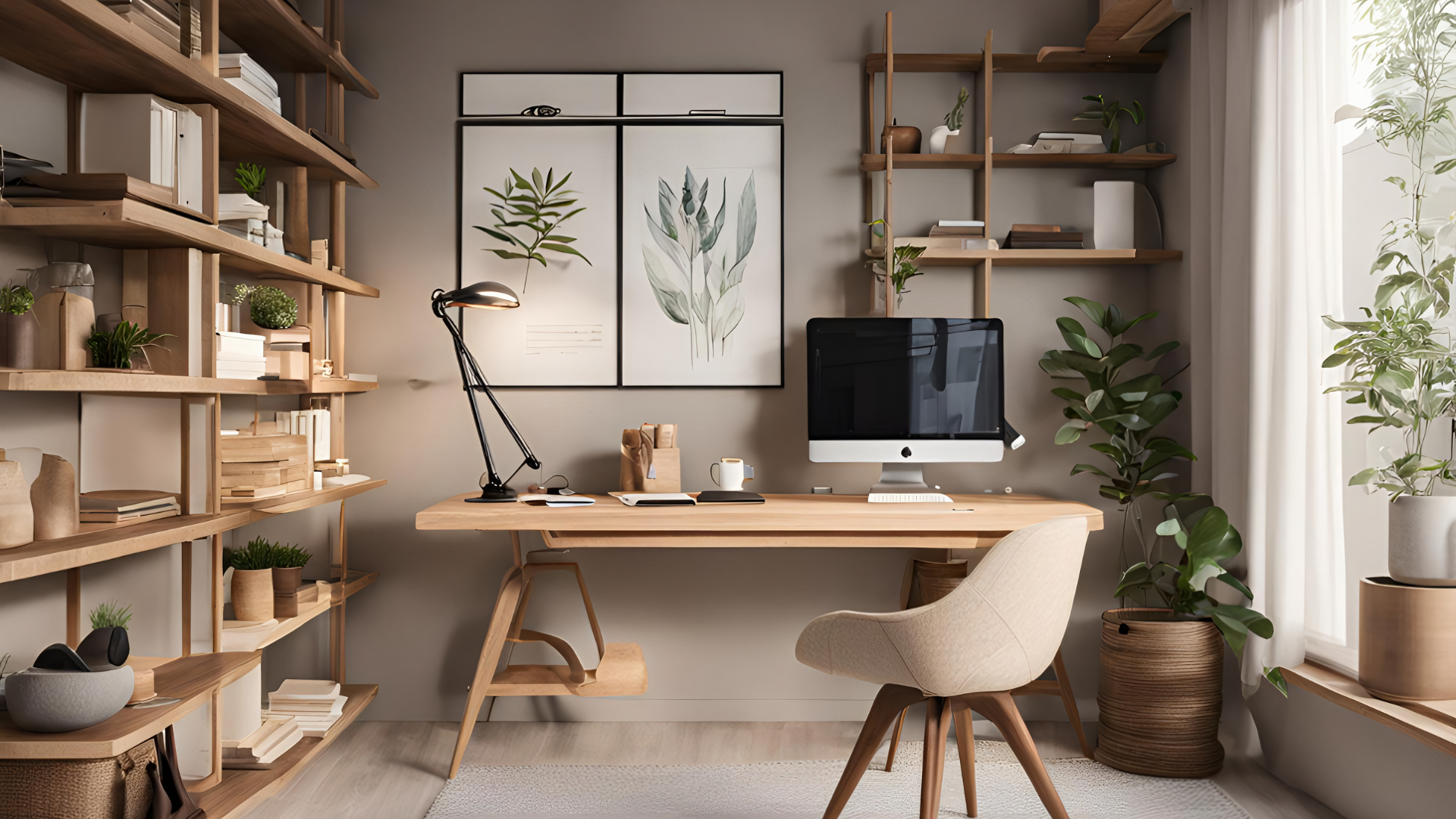
Creating a green home office is more than just an eco-friendly trend; it is a smart investment in both sustainability and productivity. By incorporating sustainable practices and materials, individuals can enhance their workspace while also benefiting their mental well-being and creativity. As remote work becomes more prevalent, designing an environment that reflects these values can lead to improved focus and a more satisfying work-from-home experience.
Utilising energy-efficient technologies, natural light, and environmentally friendly materials not only minimises the carbon footprint but also fosters a healthier atmosphere. This proactive approach to remote work is particularly significant in today’s fast-paced world, where individuals seek to balance work responsibilities with personal well-being.
Employing sustainable practices in a home office can ignite creativity and innovation. With a green workspace, individuals may find themselves more inspired and motivated, contributing to higher productivity levels. This shift is essential in a landscape where home working becomes a norm, encouraging everyone to take a step towards a more sustainable future.
Designing a Sustainable Workspace
Creating a sustainable workspace involves careful consideration of natural light, material choices, and the integration of plants. Each aspect contributes to a healthier environment, both for productivity and well-being.
Incorporating Natural Light
Maximising natural light can significantly enhance the work environment. It reduces the need for artificial lighting, which lowers energy consumption.
Placing the desk near windows or using light-coloured walls can help reflect daylight. For those without ample windows, consider skylights or light tubes.
Using window treatments like Shades, Blinds, Shutters or Drapes, that allow for light control while maintaining privacy, also helps. Strategies such as these not only lower energy bills but also improve mood and focus during work hours.
Choosing Sustainable Materials
Selecting sustainable materials supports environmental health. Reclaimed wood, for instance, provides aesthetic appeal while reducing the demand for new timber.
Sustainable furniture made from recycled plastic or bamboo is durable and eco-friendly. Look for certifications, like FSC (Forest Stewardship Council), to ensure responsible sourcing.
Sustainable flooring options, such as cork or linoleum, also contribute positively to indoor air quality. They are often made from renewable resources and can be recycled or composted at the end of their lifecycle. However, it can be beneficial to consider the benefits and drawbacks of each material. For example, consider evaluating cork flooring pros and cons to decide if it’s the right flooring for your space. In the end, choosing sustainable flooring can benefit the environment while also improving the overall duration of your flooring.
Integrating Plants and Biophilic Design
Incorporating indoor plants not only beautifies a workspace but also enhances air quality. Plants such as snake plants, peace lilies, and pothos are low maintenance and provide numerous benefits.
Biophilic design focuses on connecting individuals to nature, promoting well-being and productivity.
This could involve natural textures, shapes, and patterns inspired by nature in the decor. Green walls or vertical gardens can be a statement feature that adds both visual intrigue and functionality.
Creating a sustainable workspace encourages a healthier lifestyle while promoting environmental responsibility.
Optimising Energy Efficiency and Air Quality
Creating a green home office requires a focus on energy efficiency and maintaining high indoor air quality. Implementing specific strategies can enhance both factors, leading to a healthier, more productive workspace.
Utilising Energy-Efficient Lighting
Energy-efficient lighting plays a crucial role in reducing energy consumption. LED bulbs, for instance, use significantly less energy than traditional incandescent bulbs and last much longer.
Switching to LED lights can cut lighting energy usage by up to 75%. Incorporating motion sensors helps ensure lights are only on when needed, further reducing energy waste. Natural light should also be maximised by strategically placing desks near windows, which can improve mood and productivity while decreasing reliance on artificial lighting.
Monitoring and Improving Indoor Air Quality
Indoor air quality is vital for maintaining health and comfort. Poor air quality can lead to fatigue, headaches, and reduced concentration. An air purifier is an effective tool for removing pollutants, allergens, and dust particles from the air.
Regularly opening windows can enhance ventilation, allowing fresh air to circulate. Monitoring humidity levels with a hygrometer ensures that air remains balanced, preventing issues such as mould growth. Plants are also beneficial; certain species can improve air quality by absorbing toxins and releasing oxygen, creating a refreshing environment. Ensuring your HVAC system is functioning efficiently is equally important for maintaining clean, well-circulated air throughout your workspace. If you’re noticing inconsistent airflow or stuffy indoor conditions, it may be time to look into Midland TX AC repair to keep your system running smoothly and support better air quality.
Investing in Smart Technology
Smart technology offers practical solutions for energy efficiency and air quality management. Devices such as smart thermostats can optimise heating and cooling based on usage patterns, reducing energy consumption.
Energy Star-certified appliances also contribute to lower energy usage. Smart air purifiers can be programmed to operate during peak pollution times, ensuring cleaner air when it is needed most. Integrating these technologies enhances convenience, while significantly improving the home office’s eco-friendliness and comfort.
Adopting Eco-Friendly Office Practices
Creating a sustainable workspace requires adopting practices that minimise waste and promote environmental responsibility. This can significantly reduce an office’s carbon footprint while encouraging a healthier and more productive work environment.
Reducing Waste and Recycling
Minimising waste starts with evaluating current practices. Implementing a recycling system is essential. This could involve clearly labelled bins for paper, plastics, and metals, which helps ensure proper disposal.
Using recycled materials for office needs can further support sustainability. Opting for products made from recycled paper or other eco-friendly materials contributes to a circular economy and reduces pressure on natural resources.
Encouraging a culture of recycling among employees can enhance participation. Regular training sessions can be beneficial, fostering awareness of the importance of reusing and recycling items.
Embracing Electronic Documents and Going Paperless
Transitioning to electronic documents is a key strategy for reducing waste. This involves using digital formats for reports, invoices, and communications. Such practices can drastically cut down on paper usage.
Cloud storage solutions can facilitate easy access to documents, enhancing collaboration without the physical clutter. Employees can share files instantly, which helps to minimise the need for printing.
Incorporating digital signatures and forms can streamline processes. This not only enhances efficiency but also reduces the risk of unnecessary paper consumption and storage issues.
Choosing Eco-Friendly Office Supplies
Selecting eco-friendly office supplies is crucial for promoting sustainable practices. Products made from recycled paper or those that are biodegradable significantly lessen environmental impact.
It’s advisable to invest in reusable items, such as refillable pens or the best erasable pen that will stop you from having to use more paper, and sustainable notebooks. This reduces the dependency on disposable products, which often contribute to waste.
Choosing suppliers who prioritise sustainability in their practices can also make a difference. This ensures that the materials and products used in the office align with eco-friendly goals.
By focusing on these aspects, an office can cultivate a more sustainable working environment.
Enhancing Well-Being and Productivity
Creating a green home office can significantly impact an individual’s well-being and productivity. By focusing on the environment, one can improve health and foster creativity, leading to a more efficient workspace.
Promoting a Healthier Work Environment
A healthier work environment is essential for enhancing well-being. Natural light plays a vital role; it can help regulate mood and boost energy levels. Positioning the desk near a window or using reflective surfaces can maximise natural light.
Incorporating plants into the office space provides both aesthetics and improved air quality. Certain plants, like snake plants and peace lilies, are effective at filtering toxins. Their presence can reduce stress and create a calming atmosphere.
Natural paint and materials further contribute to a healthier environment. Choosing low-VOC (volatile organic compounds) paint limits harmful emissions. This promotes better indoor air quality, crucial for sustained concentration and creativity.
Implementing Sustainable Practices for Productivity
Sustainable practices can lead to increased productivity. Simple strategies, such as using energy-efficient lighting and appliances, can reduce energy consumption and create a more focused work environment.
Emphasising a sustainable lifestyle also encourages positive habits. Regular breaks for fresh air or a quick walk can refresh the mind. This practice fosters creativity and enhances overall performance.
Establishing a clear organisational system can further streamline tasks. Tools like digital planners minimise paper waste while enhancing efficiency. Incorporating these practices promotes a productive mindset, maintaining focus throughout the workday.