
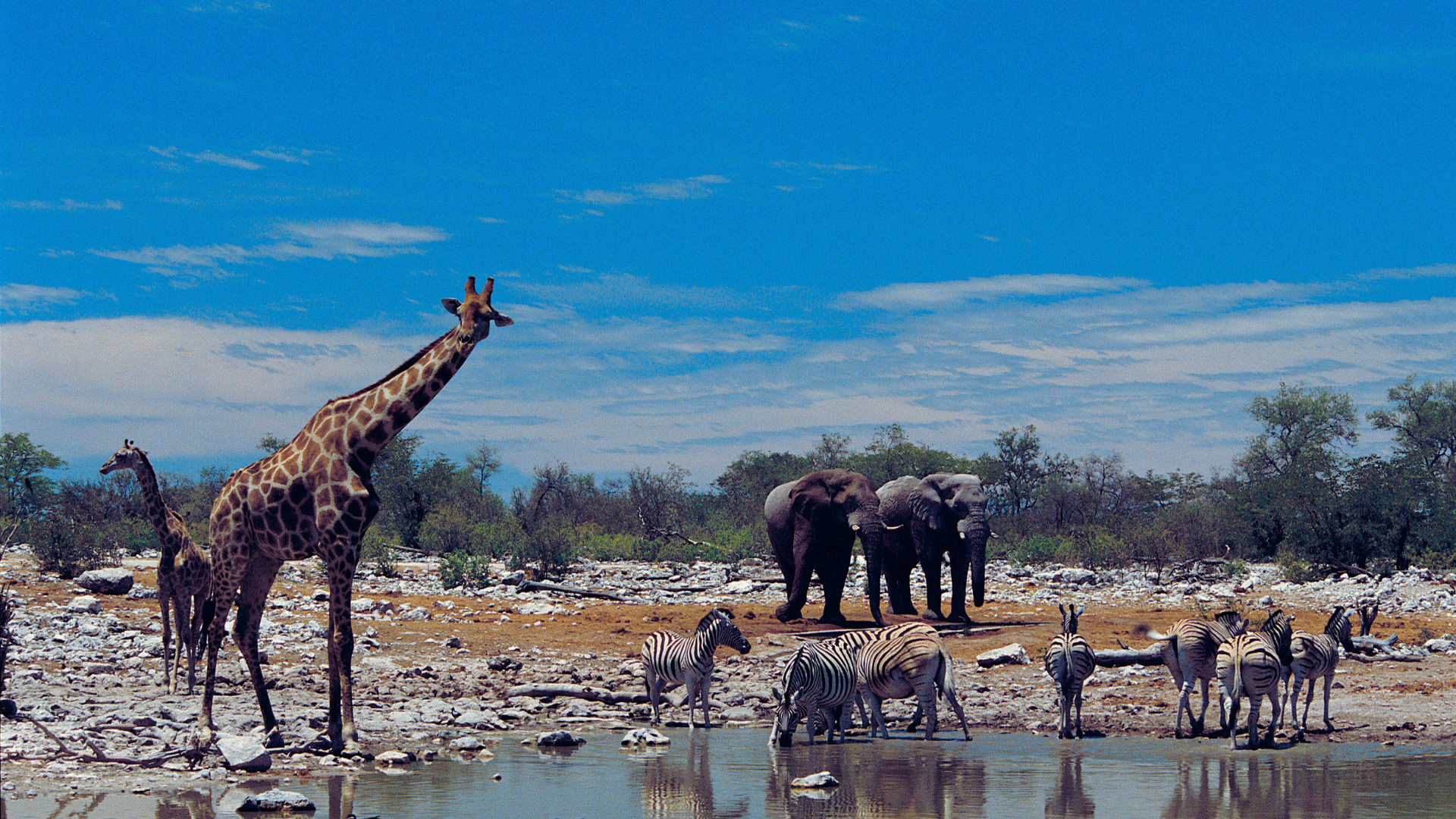
Biodiversity refers to the variety of life on Earth, encompassing the different species, ecosystems, and genetic variations. The importance of biodiversity lies in its critical role in maintaining healthy ecosystems, which support life and provide vital services like clean air, water, and food. As human activity accelerates, leading to habitat destruction and climate change, the delicate balance of these ecosystems is increasingly threatened.
A diverse natural environment enhances resilience to changes, allowing ecosystems to adapt and recover from disturbances. Each species plays a unique role; the loss of anyone can have far-reaching impacts on others. Protecting biodiversity is not merely an environmental concern; it is essential for human survival and well-being, influencing everything from agriculture to medicine.
As sustainability becomes a pressing global issue, recognising the intricate connections between biodiversity and human health is crucial. Ensuring the preservation of diverse species and habitats can help mitigate the harmful effects of climate change, creating a more stable future for both the planet and its inhabitants.
Biodiversity and Ecosystem Health
Biodiversity is crucial for maintaining healthy ecosystems. The interdependence of species and the services ecosystems provide are fundamental to both natural environments and human welfare.
Ecological Systems and Species Interdependence
Ecosystems comprise various species that interact and rely on one another for survival. This interdependence ensures stability and resilience within ecological systems. For instance, certain plants depend on specific pollinators for reproduction, while predators control prey populations, preventing overgrazing.
Species diversity contributes to ecosystem resilience, enabling systems to recover from disturbances such as climate change and habitat loss. A biodiverse ecosystem is better equipped to adapt to environmental changes. On the other hand, reduced species diversity can lead to ecosystem collapse, affecting all organisms within that system.
Ecosystem Services and Human Welfare
Ecosystems provide essential services that benefit human societies. These include clean water, food production, and pollination, which are vital for agriculture. Healthy ecosystems regulate climate and maintain air quality, helping mitigate the effects of pollution.
Biodiversity enhances ecosystem services by ensuring that multiple species contribute to these processes. For example, a diverse range of plants can improve soil health and reduce erosion. Protecting biodiversity not only supports natural ecosystems but is also critical for human health and economic stability.
In residential and commercial landscapes, choosing the right ground cover is a practical application of these ecological principles. Utilizing locally-adapted grass varieties helps maintain soil integrity and manages water runoff more effectively than non-native species. Professional assistance from Sunrise Sod Services in Palm Harbor, or elsewhere, can ensure that new lawns are established with irrigation and drainage systems that support long-term environmental health.
By prioritizing regional flora, property owners contribute to the broader stability of the local ecosystem while enjoying a resilient and functional outdoor space. Large-scale properties and business premises face unique challenges with water flow and pollution prevention. Poorly managed runoff from parking lots and industrial yards can carry harmful chemicals directly into local waterways. To prevent this, businesses must install and maintain systems that filter and direct wastewater safely. Using professional Commercial Drainage Solutions – By Express Drainage, for instance, can help companies meet environmental standards and protect nearby habitats. These systems manage heavy rainfall and prevent flooding to keep pollutants out of the local soil.
Threats to Biodiversity
Biodiversity faces significant threats that undermine ecosystems and species. Key factors include habitat destruction, climate change, human exploitation, pollution, and the introduction of invasive species. Each of these elements contributes to the decline in biodiversity, impacting ecological balance and sustainability.
Habitat Destruction and Loss
Habitat destruction is a leading cause of biodiversity loss. Activities such as deforestation, agriculture, and urban development lead to the fragmentation of ecosystems. This fragmentation isolates species, making it difficult for them to find mates or food, thereby reducing genetic diversity.
Wetland draining and coastal development also severely impact habitats. Wetlands are critical for many species, serving as nurseries for fish and as transitional areas for migratory birds. Their loss diminishes these populations and disrupts food chains.
Climate Change Impacts
Climate change poses a significant threat to biodiversity through altered weather patterns and sea levels. Rising temperatures affect species distributions; for instance, many plants and animals struggle to adapt to warmer climates. Coral reefs, susceptible to temperature changes, face bleaching events that reduce their resilience.
Moreover, changes in precipitation patterns can affect freshwater ecosystems. Species dependent on stable environments find it challenging to survive as their habitats become less predictable. Migratory cycles of animals are also disrupted, leading to mismatches between predators and prey.
Human Exploitation of Natural Resources
Human exploitation has far-reaching consequences on biodiversity. Overfishing depletes fish stocks, affecting marine ecosystems and the livelihoods of communities reliant on fishing. This overexploitation can lead to the collapse of entire fisheries, diminishing marine biodiversity.
Additionally, logging and mining operations further threaten biodiversity. These activities extract resources without adequate consideration for ecological impacts, often leading to permanent habitat loss. Unsustainable farming practices also degrade soil and water quality, affecting plant and animal life.
Pollution and Invasive Species
Pollution from various sources, including industrial and agricultural runoff, has devastating effects on biodiversity. Chemicals and plastics contaminate soil and waterways, harming fauna and flora. For instance, nutrient runoff can lead to algal blooms, which deplete oxygen in waterways and harm aquatic life.
Invasive species further exacerbate the issue. When non-native species are introduced to new ecosystems, they often outcompete local species for resources. This competition leads to declines or extinctions of indigenous species, reducing biodiversity and altering ecosystem functions. Addressing these threats requires concerted global efforts to protect and restore natural habitats and promote sustainable practices.
Conservation and Sustainable Practices
Conservation and sustainable practices are essential for preserving biodiversity. Effective strategies include establishing protected areas, promoting sustainable methods in agriculture and forestry, and focusing on restoration efforts in biodiversity hotspots.
Protected Areas and Wildlife Conservation
Protected areas play a crucial role in safeguarding wildlife and their habitats. These zones can include national parks, wildlife reserves, and marine protected areas. They provide safe environments for various species, preserving ecosystems from threats such as habitat loss and exploitation.
Establishing protected areas requires careful planning and management. It is vital to engage local communities to ensure their support and participation. These communities often depend on natural resources for their livelihoods, making sustainable practices more effective when they are involved.
Sustainable Agriculture and Forestry
Sustainable agriculture aims to produce food while maintaining ecosystem health. Practices such as crop rotation, organic farming, and agroforestry are vital. These methods reduce environmental impacts and enhance soil health, ensuring that ecosystems remain robust.
Transitioning to these eco-friendly methods often requires a significant financial investment for growers. Farmers may need to buy new machinery or build better storage facilities. Securing specialized finance for farms helps cover these high upfront costs without draining their daily cash flow. This funding allows agricultural businesses to modernize their operations and adopt green practices. Over time, these investments make the business more stable and protect the local environment.
In forestry, sustainable practices involve responsible logging and forest management
Roles of Biodiversity in Society
Biodiversity plays a critical role in supporting human society through various means. Its impact can be observed in essential areas such as food security, health, culture, and tourism, contributing significantly to both individual and communal well-being.
Food Security and Livelihoods
Biodiversity is vital for food security, providing a diverse range of species that contribute to a balanced diet. This diversity ensures a stable supply of essential nutrients, particularly through fruits, vegetables, and grains.
Pollinators, such as bees and butterflies, are crucial for the reproduction of many crop species. Their decline threatens the productivity of farms and gardens.
Additionally, diverse ecosystems can enhance resilience against pests and diseases, reducing reliance on chemical inputs. Livelihoods in agriculture, fisheries, and forestry depend on biodiversity, as it sustains the industries that provide income and resources for millions globally.
Medicine, Mental Health, and Well-being
Biodiversity underpins much of modern medicine. Many pharmaceuticals are derived from plant and animal sources, with biodiversity providing a genetic pool for drug development.
Ethnobotany highlights the use of various species in traditional healing, showcasing the medicinal properties of countless plants.
Further, interaction with natural environments has positive effects on mental health. Access to biodiverse areas can reduce stress, enhance mood, and promote overall well-being. The presence of nature encourages physical activity, which also contributes to improved mental health outcomes.
Biodiversity in Culture and Tourism
Cultural identity is often tied to local biodiversity, with many communities drawing on natural resources for traditional practices and rituals. This connection fosters a sense of belonging and stewardship towards the environment.
Tourism significantly relies on biodiversity, attracting visitors to natural sites that showcase unique flora and fauna. Ecotourism encourages sustainable practices and conservation efforts, creating economic opportunities while promoting environmental awareness.
Preserving diverse ecosystems enhances both cultural heritage and economic growth, making biodiversity a cornerstone not only for nature but for the social fabric of societies.