
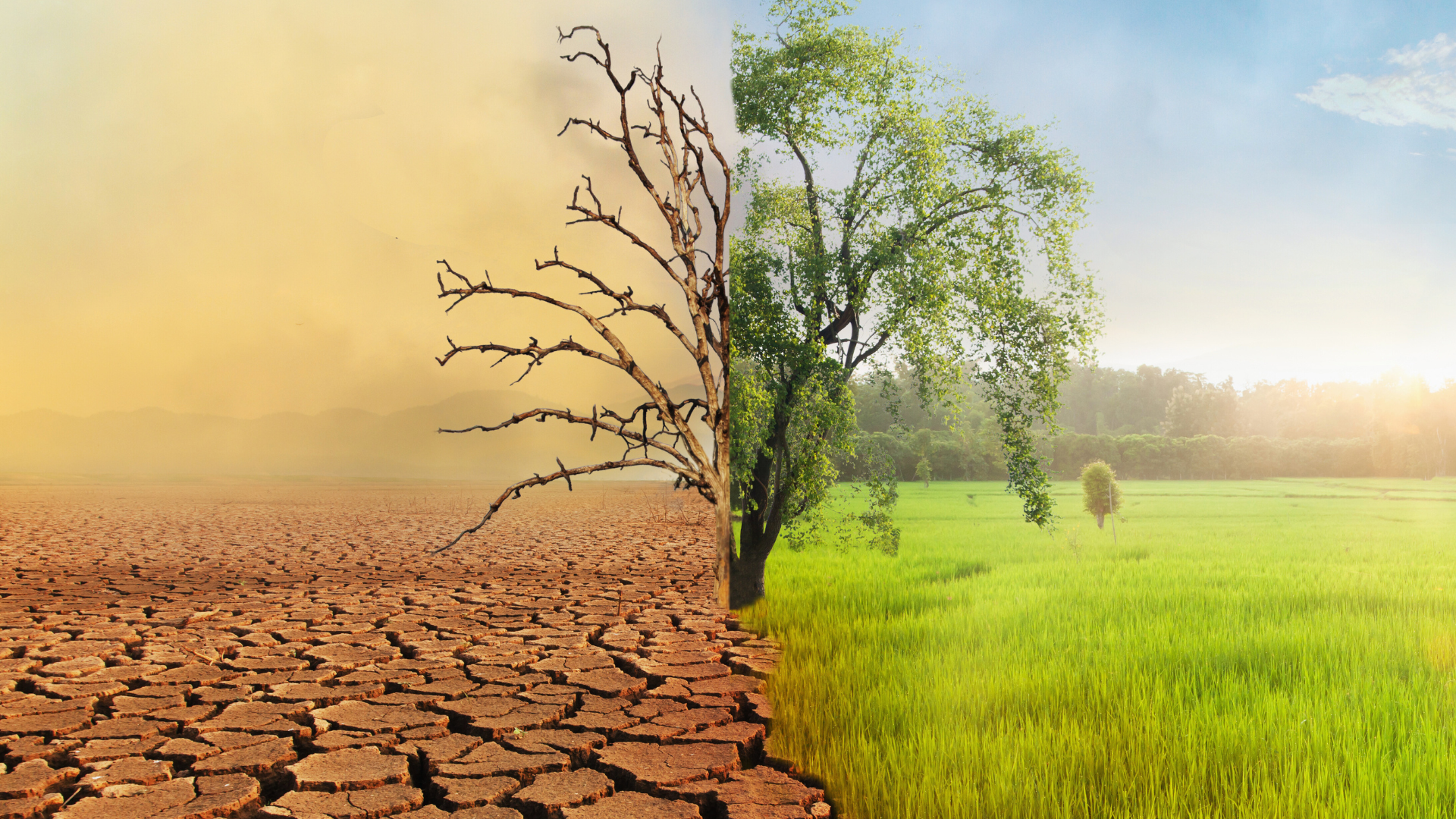
Small actions, when multiplied across communities, can significantly reduce greenhouse gas emissions. Simple changes like using energy-efficient appliances, reducing meat consumption, and cutting down on single-use plastics contribute to lowering carbon footprints. These small steps collectively support the global effort to slow climate change.
Individuals often underestimate the impact their daily choices have on the environment. Yet, when many people adopt sustainable habits, the effect is amplified, influencing markets and policies. Understanding this connection motivates more people to take part in climate action.
Recognising the power of small changes also helps build long-term habits that lead to greater environmental responsibility. This approach makes the fight against climate change more accessible and achievable for everyone, regardless of scale.
Why Small Changes Matter in the Fight Against Climate Change
Small changes, when made consistently, can accumulate into significant reductions in carbon emissions. These actions influence individual carbon footprints and contribute to broader environmental benefits through collective effort.
Understanding the Power of Individual Actions
Each person’s choices, such as reducing energy use or changing travel habits, directly affect their carbon footprint. For example, switching to energy-efficient lighting can cut household emissions by up to 10%.
Individual actions also send signals to businesses and policymakers, encouraging sustainable practices. When enough people demand greener options, markets respond with more climate-friendly products and services.
This power highlights that no effort is too small, as individual responsibility drives environmental progress alongside large-scale policies.
How Cumulative Impact Reduces Carbon Emissions
Small actions become powerful when multiplied across communities. For instance, if a million people avoid single-use plastic, it significantly reduces plastic production’s carbon emissions.
Cumulative effects happen daily through activities such as recycling, conserving water, or using public transport. These habits collectively lower demand for fossil fuels and reduce greenhouse gases.
Quantifying this, a study showed that habitual cycling instead of driving could cut a person’s annual carbon emissions by about 500 kilograms, which scales with more participants.
Link Between Daily Choices and the Carbon Footprint
Daily choices—diet, energy use, travel, waste—directly influence an individual’s carbon footprint. Eating less red meat, for example, can reduce emissions linked to food production by around 20%.
Switching off unused appliances, opting for renewable energy sources, and choosing local products limit carbon-intensive activities. These measures cumulatively ease strain on the environment.
Tracking and consciously adjusting small habits enables people to see clear connections between their behaviour and climate change, encouraging ongoing improvements.
Everyday Changes to Minimise Your Carbon Footprint
Small, focused actions in daily life can significantly reduce carbon emissions. Key approaches include improving home energy use, choosing sustainable transport, adapting eating habits, and managing waste through recycling and upcycling.
Energy Efficiency at Home
Improving energy efficiency at home lowers the carbon footprint by reducing energy consumption. Simple steps include installing LED bulbs and using smart thermostats to control heating more effectively.
Switching to renewable energy sources, like solar panels, can further cut carbon emissions. Insulating walls and roofs also helps maintain temperature, reducing heating and cooling energy demands.
Appliances that carry an A++ rating use less electricity. Turning off devices when not in use avoids unnecessary energy waste. These actions collectively reduce household reliance on fossil fuels.
Sustainable Transport Choices
Transportation accounts for a large share of carbon emissions. Opting for walking, cycling, or public transport can significantly lower an individual’s footprint.
Electric vehicles produce fewer emissions than petrol or diesel cars. Car sharing and combining trips also help reduce overall travel emissions.
Planning routes and avoiding peak-hour traffic can improve fuel efficiency. Regular vehicle maintenance ensures engines run cleanly, reducing harmful emissions.
Eating a Climate-Friendly Diet
Food production impacts the climate through greenhouse gases. Eating more plant-based meals lowers carbon emissions compared to high meat consumption.
Reducing food waste by planning meals and proper storage helps avoid unnecessary production. Choosing local and seasonal produce cuts transport-related emissions.
Switching to organic products can limit synthetic fertiliser use, which is carbon-intensive. Small diet changes add up in lowering one’s overall carbon footprint.
Reducing Waste Through Recycling and Upcycling
Recycling diverts waste from landfills, reducing methane emissions linked to decomposition. Sorting materials like paper, plastic, and metals is essential.
Upcycling repurposes old items, extending their life and preventing new product carbon costs. It can be as simple as converting jars into storage or old clothes into cleaning rags.
Minimising single-use plastics and choosing reusable alternatives reduces waste volume. A well-managed waste routine helps lower carbon emissions linked to production and disposal.
Supporting Climate Action and Adapting to Change
Small individual efforts can significantly contribute to broader climate goals by supporting existing initiatives, shifting energy consumption, and adjusting daily habits to cope with changing environments.
Engage With Climate Action Initiatives
Participation in local and global climate action efforts helps amplify their impact. Individuals can join community groups focused on tree planting, waste reduction, or advocacy for environmental policies.
Volunteering for campaigns or attending climate forums raises awareness and pressures governments and corporations to act more responsibly. Donations to verified environmental organisations also support research and mitigation projects.
Tracking the progress of these initiatives encourages continued involvement. Engaging with educational resources helps people understand the evolving climate context and effective responses.
Promoting Renewable Energy Use
Switching to renewable energy reduces reliance on fossil fuels. Installing solar panels at home or choosing green energy tariffs from suppliers directly lowers carbon footprints.
Governments and businesses increasingly offer incentives, such as subsidies or tax breaks, to support renewable installations. Using energy-efficient appliances and LED lighting complements renewable energy use by reducing overall demand.
Encouraging workplaces and public facilities to adopt renewable sources contributes to systemic change in energy consumption patterns, making the energy grid cleaner and more reliable.
Adapting Lifestyles to Climate Change
Adapting to climate change requires altering habits to lessen environmental impact and increase resilience to new conditions. This includes shifting diets towards plant-based foods, which generally have lower greenhouse gas emissions.
Water conservation methods like rainwater harvesting or fixing leaks become increasingly important in areas facing drought. Sustainable transport choices such as cycling, walking, or using electric vehicles reduce emissions from travel.
Household adjustments, including improved insulation and smart thermostats, help manage energy use amid fluctuating weather. These adaptations support both personal well-being and long-term environmental goals.
| Key Adaptation Actions | Benefits |
| Plant-based diets | Lower carbon footprint, better health |
| Water-saving techniques | Conserves resources, reduces costs |
| Sustainable transport choices | Cuts emissions, improves air quality |
Protecting Nature and the Natural World for the Future
Small actions focused on nature can significantly impact climate change mitigation. Preserving ecosystems, engaging communities in conservation, and restoring biodiversity are practical steps to slow nature’s decline and support the planet’s health.
Nature’s Role in Combating Climate Change
Nature acts as a vital carbon sink, absorbing about 30% of global CO2 emissions annually. Forests, wetlands, and oceans capture and store carbon, helping regulate the Earth’s temperature.
Protecting existing natural habitats prevents further carbon release from soil and vegetation. Destruction of these areas accelerates climate change by reducing carbon storage capacity.
Maintaining healthy ecosystems stabilises local climates and protects species, creating resilience against climate impacts. Hence, natural preservation is essential to slowing climate change’s progression effectively.
Community Conservation Efforts
Communities managing natural resources promote sustainable practices that benefit both people and the environment. Local stewardship often leads to better protection of forests, rivers, and wildlife habitats.
Engaging residents in tree planting, habitat restoration, and waste reduction fosters a stronger connection to the natural world. This connection encourages behaviours that decrease carbon footprints and prevent further environmental damage.
Examples include community-led reforestation projects that restore local ecosystems while capturing carbon. Such projects provide social and economic benefits, making conservation an achievable local goal.
Restoring Biodiversity and Ecosystems
Biodiversity supports ecosystem functions crucial for climate regulation, such as pollination, soil health, and water filtration. Loss of species weakens these services and increases ecosystem vulnerability.
Revegetation and restoring degraded lands enhance carbon storage and improve habitat connectivity. This supports wildlife and strengthens resilience to climate disruptions.
Focused restoration efforts target diverse plant species to rebuild ecosystems fully. These actions counterbalance some effects of nature’s decline, aiding long-term climate stability and ecological balance.