
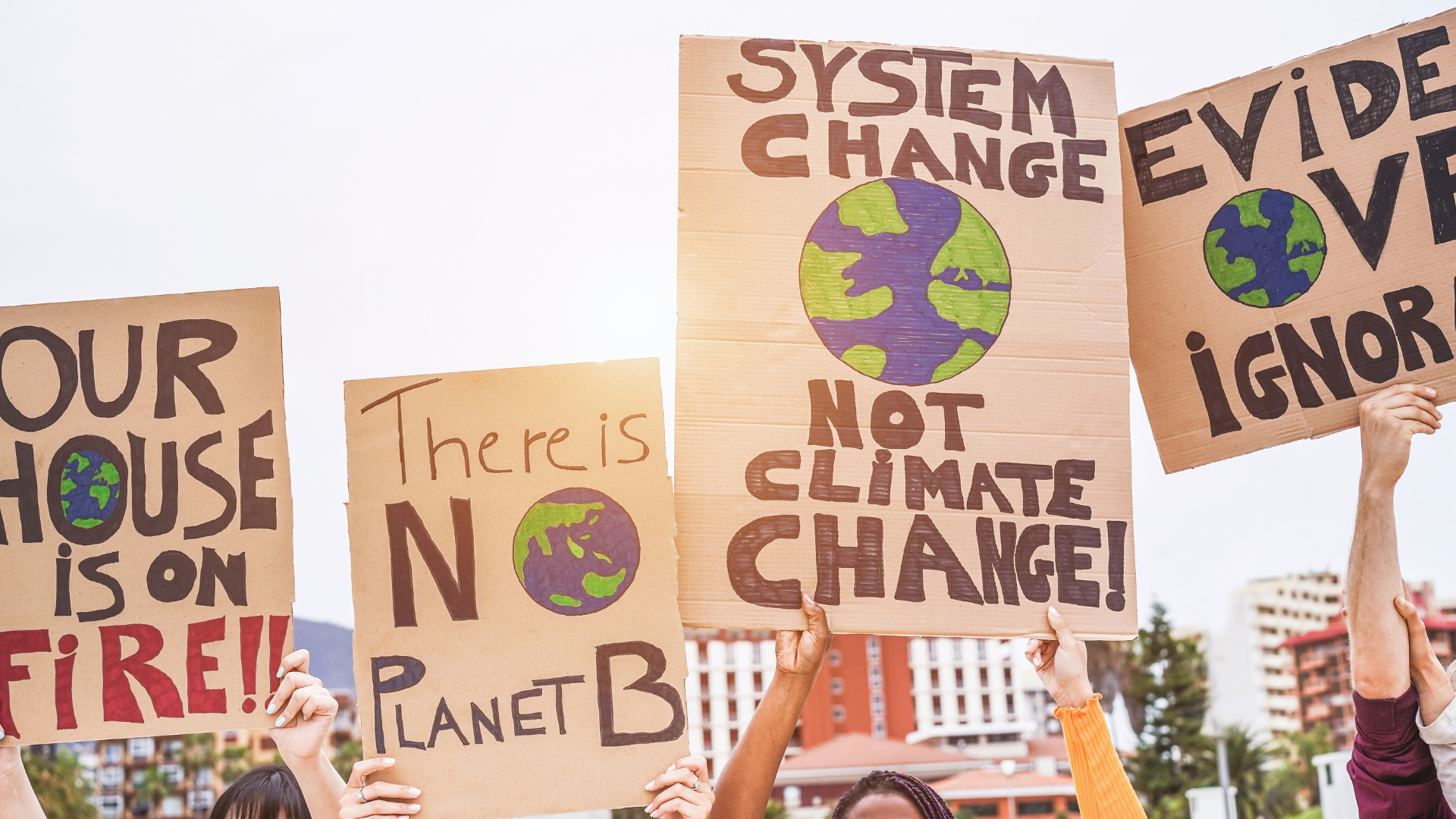
Climate change poses a significant threat to the planet, with its effects being felt in rising temperatures, extreme weather, and disrupted ecosystems. Taking proactive steps to mitigate climate change can make a tangible difference; individuals and communities can contribute by reducing carbon footprints, supporting renewable energy, and advocating for sustainable practices.
Understanding the urgency of the climate crisis is essential. Simple actions, such as minimising waste, conserving energy, and using public transport, can collectively lead to substantial improvements. Moreover, engaging in local efforts and influencing policy changes can enhance the impact of personal choices.
Everyone plays a role in combating global warming, and small changes can lead to significant outcomes. By staying informed and active, individuals can join the broader movement aimed at creating a more sustainable future.
Understanding the Science of Climate Change
The phenomenon of climate change is driven primarily by human activities, notably through the release of greenhouse gases and dependence on fossil fuels. The science behind these processes illustrates the critical mechanisms affecting our planet’s climate.
Greenhouse Gases and Their Impact
Greenhouse gases (GHGS) trap heat in the Earth’s atmosphere, preventing it from escaping into space. The most significant GHGS include carbon dioxide (CO₂), methane (CH₄), and nitrous oxide (N₂O).
- Carbon Dioxide: Released predominantly through fossil fuel combustion, deforestation, and various industrial processes, CO₂ is the leading contributor to global warming.
- Methane: While less prevalent than CO₂, methane is over 25 times more effective at trapping heat over a 100-year period. Major sources include agriculture, landfills, and oil and gas extraction.
- Nitrous Oxide: Emitted during agricultural activities and fossil fuel use, N₂O also significantly contributes to the greenhouse effect.
Fossil Fuels and Carbon Emissions
Fossil fuels, comprising coal, oil, and natural gas, are the largest source of carbon emissions worldwide. Their combustion releases massive amounts of CO₂, affecting atmospheric composition.
- Coal: This fossil fuel is the most carbon-intensive, and its mining and use contribute heavily to emissions.
- Oil: Used mainly for transportation and heating, oil combustion is a major contributor to daily carbon output.17/11/2025
- Natural Gas: Though cleaner than coal, natural gas still releases significant CO₂ and methane, raising concerns about its long-term impact.
Transitioning to renewable energy sources could substantially reduce reliance on fossil fuels and decrease carbon emissions.
Many regional fuel providers are working to help homeowners manage this transition by supplying cleaner-burning fuels and more efficient heating options. For example, local distributors like 21st Century Energy Group deliver propane and treated heating oil, which produce fewer emissions than traditional fuels. These companies also assist residents with upgrading to modern heating systems that require less energy to run. This local support helps communities lower their carbon footprint while maintaining reliable heat during cold weather.
Consequences of Global Emissions
The implications of rising global emissions are profound, affecting ecosystems, weather patterns, and human health.
- Global Warming: The increase in average temperatures leads to more frequent and severe weather events, such as hurricanes, droughts, and heat waves.
- Ecosystem Disruption: Habitats are altered, leading to species extinction and loss of biodiversity. Marine life, in particular, is threatened by ocean acidification due to increased CO₂ absorption.
- Health Risks: Air pollution from emissions can exacerbate respiratory problems and other health issues, particularly in urban populations.
Addressing these challenges hinges on understanding the science of climate change and implementing strategies to reduce greenhouse gas emissions.
Strategies to Mitigate Climate Change
Mitigating climate change requires targeted approaches focused primarily on renewable energy initiatives and measures to reduce carbon footprints. These strategies can contribute significantly to decreasing greenhouse gas emissions and achieving net zero goals.
Transitioning to Renewable Energy
Transitioning to renewable energy sources is essential for reducing carbon dioxide and methane emissions. Generating power from wind, solar, and hydroelectric systems provides cleaner alternatives to fossil fuels.
- Solar Panels: Households and businesses can install solar panels to harness sunlight, which can generate electricity without emissions.
- Wind Turbines: Communities can benefit from wind farms, which convert wind energy into sustainable electricity.
- Hydroelectric Power: Utilising water flow for energy is another effective means of reducing reliance on fossil fuels.
Emphasising these renewable sources can significantly lower carbon emissions, contributing to a more sustainable future.
Reducing Carbon Footprint through Conservation
Conservation efforts play a crucial role in minimising carbon footprints. Individuals and organisations can adopt specific practices to reduce energy consumption.
- Energy Efficiency: Upgrading to energy-efficient appliances reduces electricity use and lowers carbon emissions.
- Sustainable Transport: Promoting public transit, cycling, and walking can decrease reliance on cars, thus reducing methane and carbon dioxide emissions.
- Waste Reduction: Adopting recycling and composting can minimise landfill pollution and lower overall carbon output.
Implementing these conservation strategies not only aids in combating climate change but also leads to cost savings over time.
Adaptation to the Changing Climate
Adapting to a changing climate involves strategies to effectively manage the risks posed by extreme weather events and sustainable resource management practices. By employing these strategies, communities can bolster their resilience to climate impacts.
Addressing Extreme Weather Events
Extreme weather events are increasing in frequency and intensity due to climate change. These events include hurricanes, droughts, and floods, which can devastate communities and ecosystems.
To address these risks, it is crucial for governments and organisations to develop comprehensive disaster management plans. This includes early warning systems, infrastructure improvements, and community training programmes.
Key measures include:
- Infrastructure upgrades: Reinforcing buildings and bridges to withstand severe weather conditions.
- Emergency response training: Educating communities on preparedness and response strategies.
Continued investment in research and technology helps in forecasting extreme weather patterns, enabling timely interventions to minimise damage.
Sustainable Resource Management
Sustainable resource management plays a significant role in adapting to climate change. Efficient use of resources reduces waste and minimises emissions, contributing to a healthier environment.
Practices such as composting help divert organic waste from landfills, where it produces methane, a potent greenhouse gas.
Effective strategies include:
- Implementing composting programmes: Encouraging households and businesses to reduce organic waste.
- Water conservation techniques: Adopting methods such as rainwater harvesting and drought-resistant crops.
By improving resource management, communities can enhance their resilience against the impacts of climate change while promoting a sustainable future.
International Efforts and Policies
The fight against climate change necessitates coordinated global action and comprehensive policies. International efforts are crucial for setting benchmarks and fostering collaboration among nations to reduce greenhouse gas emissions and strive towards net-zero goals.
The Role of COP28
COP28, the 28th Conference of the Parties, serves as a pivotal platform for international negotiations on climate action. Scheduled to take place in 2023, it is expected to concentrate on strengthening commitments outlined in the Paris Agreement.
Key objectives include:
- Enhancing Nationally Determined Contributions (NDCS): Nations will be encouraged to increase their emission reduction targets.
- Financing Climate Action: Discussions will focus on mobilising financial resources to support developing countries in their climate initiatives.
- Carbon Markets: The conference aims to establish guidelines for global carbon markets to enhance accountability and transparency in emissions trading.
Through these discussions, COP28 aims to galvanise a united approach to combat the climate crisis.
Global Cooperation for a Net Zero Future
International cooperation is vital for achieving a net-zero future. Agreements like the Paris Agreement encourage countries to work collectively, focusing on innovative solutions and sharing technologies.
Key components include:
- Bilateral Agreements: Countries form partnerships to share resources and expertise in renewable energy and sustainable practices.
- Global Funds: Initiatives like the Green Climate Fund provide financial assistance to nations struggling to implement climate action plans.
- Intergovernmental Panels: Collaborations among scientists, policymakers, and activists facilitate informed decision-making.
These efforts aim to establish a framework for collective action, ensuring significant progress towards reducing greenhouse gas emissions on a global scale.