
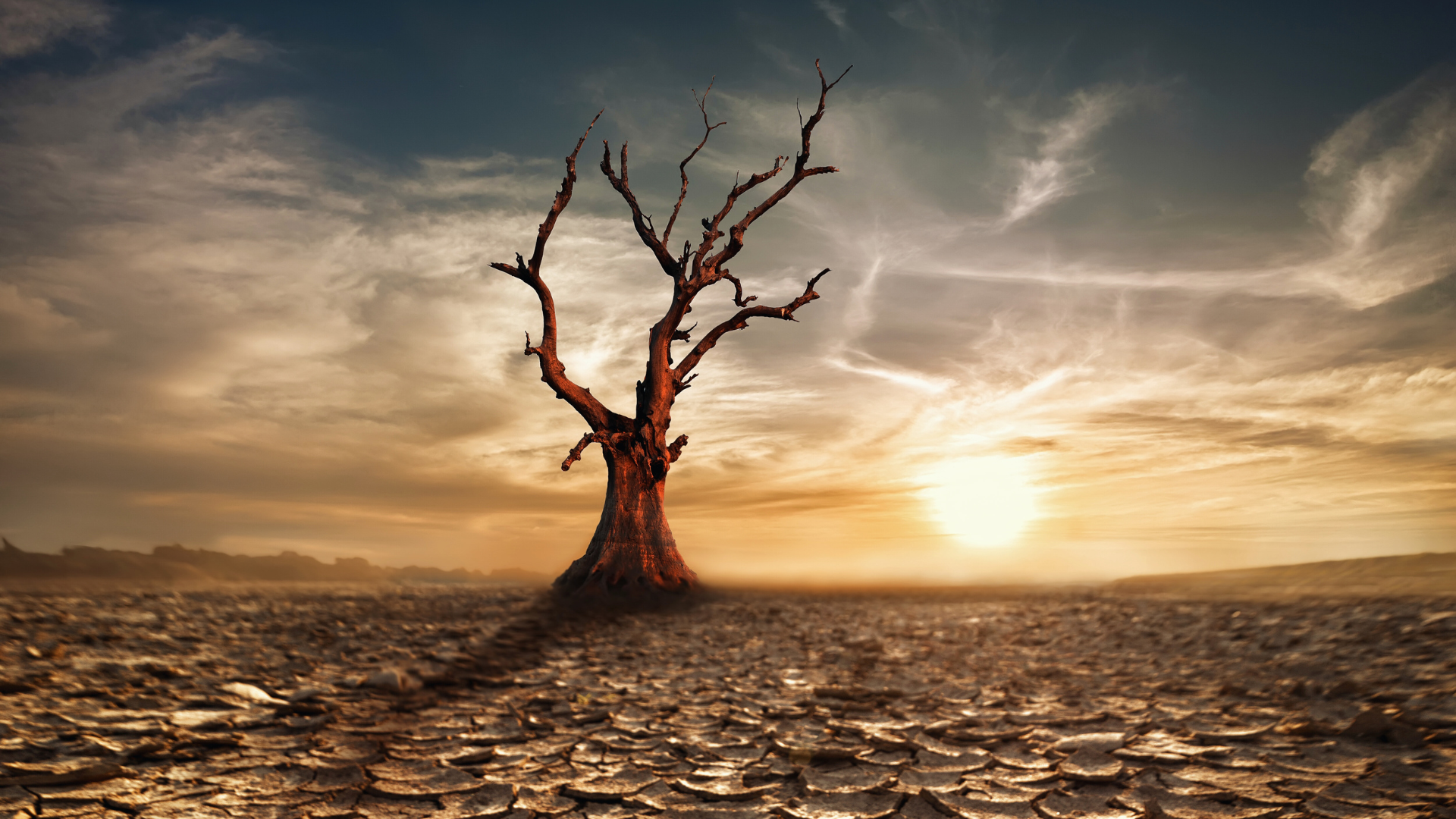
Global warming and climate change are reshaping daily life in noticeable ways. Weather patterns are becoming more unpredictable, leading to hotter summers, heavier rainfall, and increased instances of extreme weather events. These changes affect how people live, work, and plan for the future.
The most direct impact of global warming on everyday life is in health, food security, and infrastructure, as shifting climate conditions strain resources and services. Rising temperatures can worsen air quality, affect crop yields, and increase the frequency of floods or droughts that disrupt communities.
People may experience these effects through higher energy costs for cooling, changes in local agriculture, or damage to homes and transport systems. Understanding how climate change influences these everyday aspects is crucial for adapting and preparing effectively.
Immediate Impacts of Global Warming on Daily Life
Global warming is directly influencing many aspects of daily living, from health to finances. Rising temperatures and changing weather patterns affect public safety, healthcare systems, and household budgets in noticeable ways.
Health Risks and Disease
Rising temperatures increase heat stress, leading to more cases of heat exhaustion and heatstroke, especially among the elderly and outdoor workers. Respiratory diseases worsen as air pollution and allergens like pollen intensify with warmer, drier conditions.
Vector-borne diseases such as malaria and Lyme disease are spreading to new areas due to shifts in mosquito and tick habitats. These changes increase the risk of infections and place greater demands on healthcare.
Mental health is also affected as heatwaves and climate anxiety contribute to stress and anxiety disorders. Pandemics, including COVID-19, have shown how climate-related factors can influence the spread and severity of diseases.
Extreme Weather Events
Severe weather events like storms and hurricanes occur more frequently and with greater intensity due to global warming. These events damage infrastructure, disrupt transport, and threaten safety.
Heatwaves cause power outages and strain healthcare facilities due to increased hospital admissions for heat-related illnesses. Floods and storms also increase mould growth, worsening asthma and allergies.
Communities face everyday disruptions from unpredictable weather, including water shortages and damage to homes. These events reduce quality of life and increase the need for emergency services and disaster preparedness.
Rising Cost of Living
The impacts of global warming lead to higher living costs for many households. Food prices rise due to crop failures driven by heatwaves, droughts, and flooding.
Energy costs increase as demand for cooling in summer grows and supply is affected by extreme weather, damaging power infrastructure. Insurance premiums also rise in response to increased risks from storms and flooding.
These financial pressures affect lower-income households disproportionately, forcing difficult choices between essentials like food, heating, and healthcare. The collective economic burden highlights the tangible, everyday consequences of the climate crisis.
Environmental Changes Affecting Everyday Experiences
Rising global temperatures have altered the environment, impacting air quality, water availability, food production, and the durability of infrastructure. These shifts affect daily routines and the safety of communities, especially in vulnerable regions.
Rising Temperatures and Air Quality
Global temperatures have increased due to higher greenhouse gas emissions, intensifying heatwaves and raising average temperatures. This results in more frequent days with unhealthy air quality, particularly in urban areas.
Higher temperatures accelerate the formation of ground-level ozone, worsening respiratory conditions like asthma. Vulnerable populations, including the elderly and children, face increased health risks. Increased heat also concentrates pollutants, leading to smog episodes.
These air quality declines can limit outdoor activities, affecting daily work and recreation. Governments may issue heat and pollution warnings, altering public behaviour and healthcare demands.
Water Scarcity and Flooding
Rising global temperatures disrupt precipitation patterns, causing both droughts and floods. Many regions experience prolonged water scarcity, reducing access to clean water for drinking and sanitation.
Droughts lower groundwater and reservoir levels, impacting agriculture and increasing competition for water. At the same time, extreme weather events cause flooding that damages homes and infrastructure.
Coastal cities face rising sea levels and storm surges, increasing erosion and frequent displacement. Flooding from heavy storms threatens transportation and can lead to contamination of water supplies.
| Impact | Effect |
| Drought | Reduced water for agriculture |
| Flooding | Damage to homes and infrastructure |
| Coastal erosion | Loss of protective shorelines |
| Displacement | Increased relocation needs |
Food Security and Crop Failures
Higher temperatures and unpredictable weather disrupt food production worldwide. Heat stress, drought, and floods reduce crop yields, increasing the risk of food insecurity.
Some staple crops like wheat and maize are especially vulnerable to changing conditions, leading to regional shortages. Crop failures drive up prices and cause instability in food supply chains.
Farmers face increased challenges adapting to these changes, requiring shifts in planting times and crop selection. This threatens livelihoods and access to affordable food, particularly in developing countries.
Damage to Infrastructure and Housing
Infrastructure built for historic climate norms is increasingly vulnerable to extreme weather. Floods, storms, and rising temperatures cause frequent damage to roads, bridges, and buildings.
Coastal flooding and erosion threaten housing, especially in low-lying areas. Heatwaves accelerate material degradation, increasing maintenance costs and safety concerns.
Displacement from damaged homes and infrastructure disruption can affect work, access to services, and local economies. Urban planning must now consider these climate risks in new developments.
Long-Term Consequences for Communities and Nature
Global warming leads to changes that deeply affect human settlements and natural environments. These effects influence economies, biodiversity, and the well-being of millions worldwide, especially in vulnerable regions.
Rising Sea Levels and Coastal Impacts
Rising sea levels result from melting glaciers and thermal expansion of seawater due to warming. Coastal cities face increased flooding, erosion, and saltwater intrusion into freshwater supplies.
Many low-lying areas, including major urban centres, are at risk of displacement. Infrastructure damage and loss of land pose challenges for local economies and housing.
Governments must invest in adaptive measures, such as sea walls and improved drainage systems. Without intervention, rising seas threaten millions, particularly in developing countries where resources are limited.
Warming Oceans and Ocean Acidification
Warming oceans absorb much of the global emissions heat, disrupting marine life habitats. Many species, especially coral reefs, struggle to survive in higher temperatures.
Ocean acidification, caused by increased carbon dioxide absorption, weakens shell-forming organisms crucial to marine ecosystems. This affects food chains and fishing industries.
The decline of coral reefs reduces biodiversity and protective barriers for shorelines. Warming waters also alter fish migration, impacting global fishing economies and local communities that depend on these resources.
Impacts on Tourism and Ecosystems
Climate change reshapes ecosystems, influencing wildlife and natural landscapes that attract tourists. Changes in temperature and weather patterns affect seasonal activities and destinations.
Increasing wildfires, especially in forested and Mediterranean regions, degrade landscapes and reduce air quality. This disrupts tourism industries and local economies.
Ecosystems face shifts in species distribution, threatening biodiversity and ecological balance. Reduced tourism revenue further stresses communities relying on natural attractions.
Global and Regional Inequalities
The impacts of global warming are unevenly distributed. Developing countries, least responsible for industrial revolution emissions, suffer disproportionately due to weaker infrastructure and economic constraints.
Vulnerable populations face greater risks of displacement, food insecurity, and health issues. Wealthier regions often have more resources to adapt and recover from climate-related events.
This inequality deepens global instability and hinders collective climate action efforts. Addressing these disparities is crucial in managing the long-term consequences of climate change.