
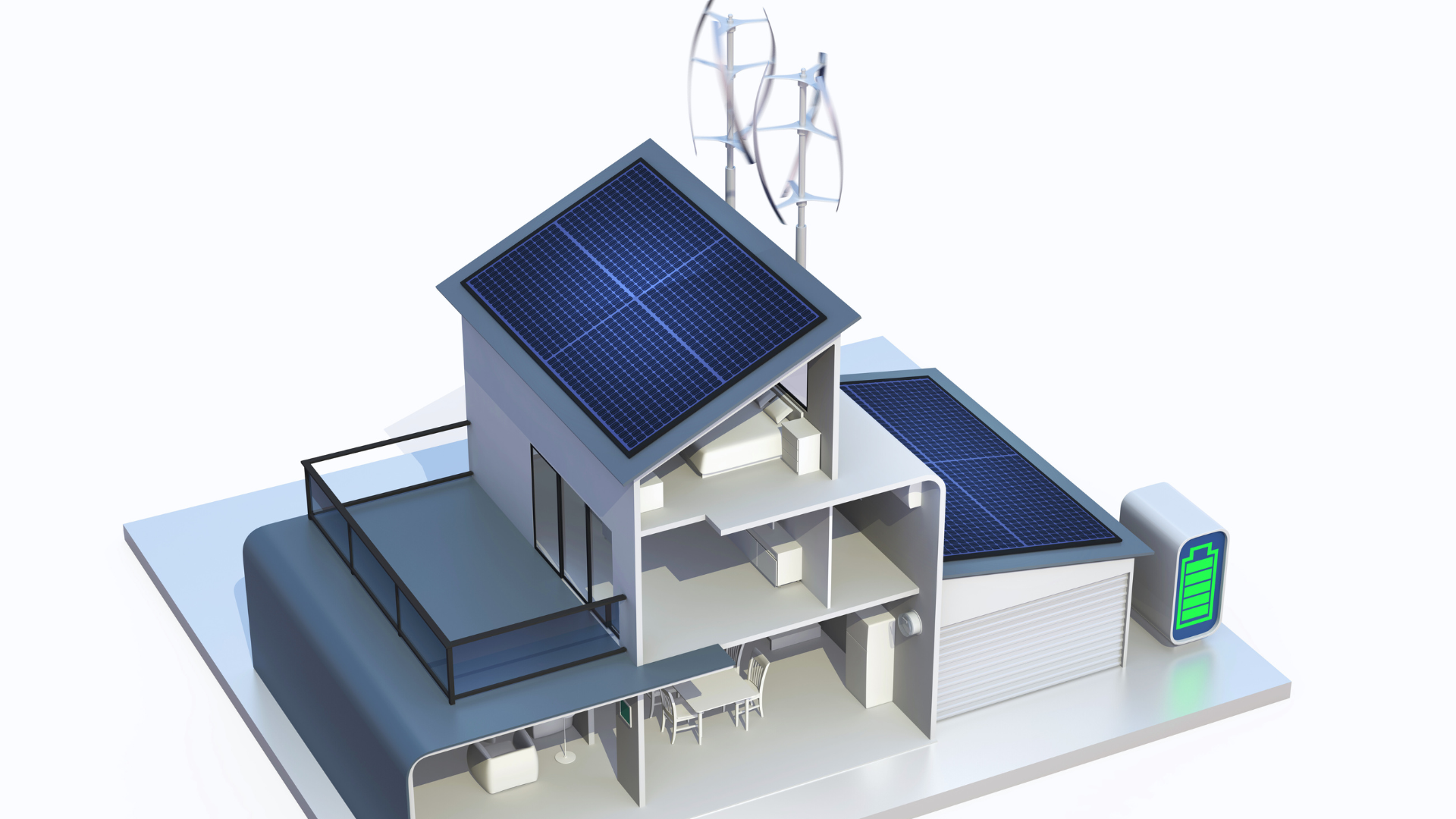
As the push for renewable energy solutions intensifies, more homeowners are considering the benefits of incorporating solar and wind power into their residences. Adding these energy sources can significantly reduce electricity bills and decrease reliance on traditional power grids. Solar panels harness sunlight to generate electricity, while wind turbines convert wind energy into usable power, together creating a powerful combination for sustainable living.
Many households are finding that integrating solar and wind power not only enhances energy independence but also contributes positively to the environment. With advancements in technology making these systems more efficient and affordable, the idea of generating clean energy at home is increasingly achievable. They provide an opportunity to participate in the transition towards a greener future.
Investing in solar and wind power allows homeowners to take advantage of government incentives and potentially increase property value. Understanding the installation process and maintenance of these systems can further empower individuals to make informed decisions about their energy usage and environmental impact.
Understanding Solar and Wind Power
Solar and wind power are two prominent renewable energy sources used in residential settings. Each has unique characteristics, applications, and benefits that can significantly impact energy consumption and sustainability.
Basics of Solar Energy
Solar energy harnesses sunlight through solar panels, which convert light into electricity. The most common type is the photovoltaic (PV) panel. These panels consist of solar cells made from semiconductor materials, usually silicon.
- Key Components:
- Solar Panels: Collect sunlight for conversion.
- Inverter: Converts DC electricity to AC electricity for home use.
- Battery Storage: Stores excess energy for later use.
The effectiveness of solar power depends on location, orientation of panels, and local climate. Regular maintenance, including cleaning dust off the panels, ensures optimal performance. Homeowners can also benefit from government incentives, which can reduce initial setup costs.
Basics of Wind Energy
Wind energy is generated by wind turbines that convert kinetic energy from wind into electricity. These turbines consist of rotor blades that spin when wind blows, which turn a generator to produce electricity.
- Key Components:
- Rotor Blades: Capture wind energy and spin.
- Nacelle: Houses the generator and other critical components.
- Tower: Elevates the turbine to capture stronger winds.
Wind energy generation relies on wind speed and direction. It is most effective in open areas with consistent wind patterns. Like solar, wind power can also be integrated with battery storage to ensure a continuous power supply during low-wind periods.
Incorporating Solar and Wind Systems into Homes
Integrating solar and wind energy systems into homes involves careful design, installation, and consideration of local regulations. A well-planned solar installation can not only improve energy efficiency but also ensure optimal panel placement, system performance, and long-term savings. Effective planning ensures these systems maximise energy production while meeting the homeowner’s needs.
Design and Planning for Solar and Wind Systems
When incorporating solar panels and wind turbines, thorough planning is essential. Homeowners should begin with an energy audit to assess current consumption and determine the potential size of the systems needed.
It is equally important to evaluate the condition of the roof before installing solar panels. The structure must be strong enough to support the weight of the panels and mounting systems for many years.
If the roof shows signs of wear, damage, or aging, addressing these issues beforehand is crucial. In such cases, a Sylvan Lake roofing company, or elsewhere, can assess the roof’s condition and recommend necessary repairs or replacements to ensure it provides a secure and durable foundation for the installation. Proper preparation not only improves the longevity of the solar system but also protects the home from potential structural or weather-related issues in the future.
Key considerations include:
- Roof orientation: Solar panels perform best on south-facing roofs.
- Wind exposure: Site assessment helps identify optimal locations for wind turbines.
- Planning permission: Many regions require permits for both solar and wind installations. Homeowners should check local regulations before proceeding.
Incorporating battery storage can provide a backup during low generation periods and increase energy independence.
Solar System Installation Process
The installation process for solar panels typically follows these steps:
- Site assessment: Professionals evaluate the location for solar exposure and structural integrity.
- System design: Custom designs based on energy needs and roof specifications are created.
- Installation: Qualified installers mount the solar panels using brackets and connect them to the inverter and energy system.
- Inspection and commissioning: After installation, a final inspection ensures compliance with safety standards.
During this process, homeowners often explore professionals who provide them with services for Solar Brisbane (or elsewhere), ranging from assessment and design to installation. This streamlined approach can reduce complexity, particularly for those unfamiliar with technical and regulatory requirements, while ensuring the system is correctly sized, safely installed, and efficient from day one. With expert coordination and planning, the system can also support future energy needs and deliver reliable, long-term performance.
Wind Turbine Installation Process
Installing a wind turbine involves several steps as well:
- Site analysis: Wind speed and consistent airflow need to be assessed.
- Selecting the turbine: Choosing the right size and type of turbine for the site’s wind conditions is crucial.
- Installation: This generally includes anchoring the tower securely and connecting the turbine to the home’s electrical system.
- Compliance check: Ensuring compliance with local regulations and safety standards is necessary.
Regular maintenance, such as checking for wear and tear, should be planned to ensure long-term efficiency.
Benefits and Challenges
Integrating solar and wind power into homes presents distinct advantages and potential challenges for homeowners. These factors play a crucial role in decision-making regarding renewable energy.
Advantages of Solar and Wind Energy
One significant benefit of adopting solar and wind energy is the reduction of carbon emissions. By utilising these renewable sources, households can significantly lower their reliance on fossil fuels, contributing to a cleaner environment.
Financially, homeowners can experience reduced energy bills. Solar panels and wind turbines can generate power, minimising reliance on grid electricity. This can lead to long-term savings, particularly in locations with high electricity costs.
In addition, government incentives and rebates are often available for those investing in renewable energy solutions. These financial incentives can further enhance the affordability and accessibility of solar and wind energy systems, encouraging widespread adoption.
Possible Obstacles and Solutions
Despite the benefits, incorporating solar and wind energy is not without challenges. One primary concern is the initial cost of installation. High upfront expenses may deter some homeowners from making the switch to renewable energy.
Maintenance can also be an issue. Both solar panels and wind turbines require periodic upkeep to ensure optimal performance. Investing in regular inspections can help mitigate potential problems.
Another obstacle is the variability of renewable energy sources. Weather conditions can affect energy production. Homeowners may need to combine systems or retain a connection to the grid to guarantee a reliable energy supply.
By understanding such challenges, homeowners can make informed decisions and implement effective strategies to overcome them. For instance, investing in reliable infrastructure and sourcing components from reputable suppliers like Vantecable or similar vendors is necessary. Distributors like these ensure access to durable and efficient cables and components. This helps in reducing long-term replacement costs and improving overall system value.
Optimising for Efficiency and Reliability
To maximise the benefits of solar and wind power in homes, it is essential to focus on energy storage solutions, integrating heat pumps, and ensuring proper maintenance practices. These areas play a crucial role in enhancing the efficiency and reliability of renewable energy systems.
Energy Storage and Batteries
Energy storage systems, particularly batteries, are vital for optimising renewable energy use. They store excess energy generated by solar panels and wind turbines for use during low production periods.
Key Considerations:
- Battery Type: Lithium-ion batteries are popular due to their efficiency and longevity.
- Capacity: Select a battery with sufficient capacity to meet household energy demands.
- Installation: Position batteries for optimal sunlight exposure if they are solar-integrated.
Proper management of battery charge cycles will prolong their lifespan and reliability. Monitoring software can provide insights into energy flow and battery health.
Integrating Heat Pumps
Heat pumps complement solar and wind energy systems by efficiently heating and cooling homes. They extract heat from the air or ground, using electric energy to operate, which can be sourced from renewable systems.
Advantages Include:
- Energy Efficiency: Heat pumps can convert 1 unit of electricity into 3 or more units of heating or cooling.
- Versatility: They can provide both heating and cooling, making them suitable for year-round use.
- Cost Savings: Lower energy bills are achievable when powered by renewable sources.
When integrating heat pumps, consider factors like size, type, and insulation levels of the home for maximum efficiency.
Maintenance and Upkeep
Regular maintenance is crucial for the optimal performance of solar and wind systems. Keeping equipment in good condition ensures reliability and efficiency.
Maintenance Tips:
- Solar Panels: Clean panels periodically to remove dust and debris, which can impede performance.
- Wind Turbines: Check mechanical parts and electrical systems regularly for wear and tear.
- Heat Pumps: Schedule annual inspections to maintain performance and efficiency.
Regular upkeep helps in identifying potential issues before they escalate, ensuring a consistent energy supply from solar and wind sources.