
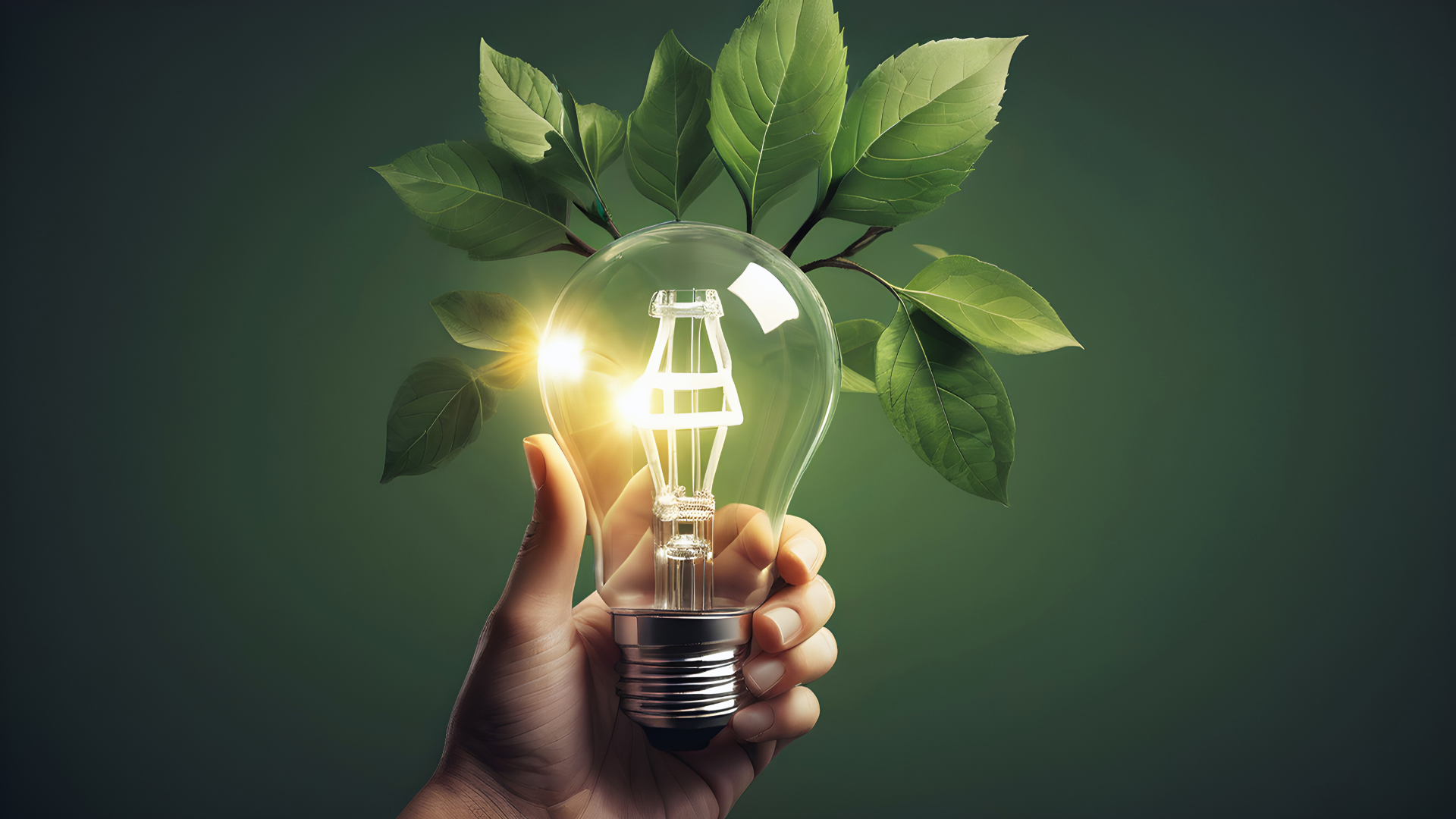
Energy-efficient lighting reduces electricity consumption significantly compared to traditional bulbs. This means lower energy bills for households and businesses, making it a practical way to save money over time.
By using less power, energy-efficient lighting also decreases carbon emissions, helping to protect the environment. This reduction in energy demand lessens the strain on power plants and limits the harmful gases released into the atmosphere.
Understanding these benefits encourages people to switch to efficient lighting solutions, which can have a positive impact on both personal finances and the planet’s health.
How Energy-Efficient Lighting Saves Money
Switching to energy-efficient lighting significantly lowers energy consumption and cuts electricity bills. This not only reduces immediate expenses but also generates long-term financial benefits due to cost savings and improved efficiency.
Reducing Energy Costs with Efficient Lighting
Energy-efficient lighting uses technologies like LED or CFL bulbs that consume far less electricity than traditional incandescent bulbs. For example, LEDs use about 75-80% less energy while producing the same level of brightness.
Lower energy consumption directly translates into reduced energy costs. Homes and businesses that switch to efficient lighting often see immediate decreases in their monthly electricity bills.
Additionally, energy-efficient lighting generates less heat, which can reduce the demand on cooling systems. This further lowers overall energy bills, especially in warmer months.
Long-Term Financial Benefits
Energy-efficient lighting has a longer lifespan than conventional bulbs, often lasting 15,000 to 25,000 hours compared to 1,000 hours for incandescent bulbs. This reduces the frequency and cost of bulb replacements.
Fewer replacements mean less money spent on purchasing new bulbs and reduced labour costs in commercial settings. Over several years, these savings accumulate substantially.
Furthermore, long-lasting lighting systems reduce waste and maintenance costs. This stability makes budgeting for energy costs more predictable for households and businesses.
Impact on Electricity Bills
Energy-efficient lighting can reduce electricity bills by 20-50%, depending on usage and the existing lighting system. This reduction is significant for high-consumption environments like offices or factories.
By cutting the amount of energy required for lighting, households experience lower monthly energy bills. This is particularly noticeable in homes with many light fixtures or lights used for long periods.
Using smart lighting controls with energy-efficient bulbs, such as timers and motion sensors, enhances savings by ensuring lights are off when not needed, further reducing electricity bills.
Return on Investment for Households
Though energy-efficient bulbs have a higher initial cost, the savings on energy consumption quickly offset this expense. The payback period for LEDs is often less than two years.
Investing in efficient lighting improves home energy ratings, which can increase property value and attract environmentally conscious buyers.
Households benefit from ongoing energy savings without sacrificing lighting quality, making energy-efficient lighting a sound financial decision with rapid returns.
Environmental Benefits of Energy-Efficient Lighting
Energy-efficient lighting produces less environmental impact due to reduced electricity use. This leads to a smaller carbon footprint and supports broader efforts to address climate change and improve sustainability.
Lowering Carbon Footprint
Energy-efficient lighting, such as LED bulbs, uses significantly less electricity than traditional incandescent bulbs. Using less energy means power plants release fewer greenhouse gases, directly lowering one’s carbon footprint.
For example, replacing a 60-watt incandescent bulb with a 10-watt LED can reduce emissions by about 500 kilograms of CO₂ per year, depending on the electricity source. This reduction helps limit the environmental damage associated with burning fossil fuels.
Lower energy demand also reduces the need for new power plants, which often have additional environmental costs during construction and operation.
Mitigating Climate Change
Reduced energy consumption from efficient lighting contributes to slower global temperature increases. Since electricity generation is a major source of carbon dioxide, cutting this demand helps mitigate climate change.
Widespread adoption of energy-efficient lighting can lower overall greenhouse gas emissions at a national and global level. This reduction supports international climate goals, such as those in the Paris Agreement.
Energy savings also decrease air pollution, which is linked to fossil fuel combustion, further benefiting ecosystems and human health.
Enhancing Sustainability
Energy-efficient lighting supports sustainability by conserving resources and reducing waste. Its longer lifespan means fewer bulbs are produced, transported, and disposed of, lowering environmental strain.
Less frequent replacements reduce landfill waste and the demand for raw materials, such as metals and glass. This helps preserve natural resources and cuts down on manufacturing emissions.
By integrating energy-efficient lighting with renewable energy sources, users can further promote sustainable electricity systems and reduce dependency on non-renewable fuels.
Types of Energy-Efficient Lighting and How to Choose
Energy-efficient lighting options vary in technology, lifespan, and light quality. Choosing the right type depends on energy savings, brightness levels, and colour temperature preferences.
LED Lights and Their Advantages
LED lights are the most efficient energy-saving option available today. They use up to 85% less energy than traditional incandescent bulbs and last significantly longer, often over 25,000 hours.
LED bulbs produce very little heat, making them safer and more cost-effective in cooling. They come in various shapes, sizes, and colour temperatures, from warm white to daylight, offering flexibility for different settings.
Due to their durability and efficiency, LED lights are ideal for both residential and commercial use. They also switch on instantly without a warm-up time.
Understanding CFL and Halogen Bulbs
CFL (compact fluorescent lamp) bulbs consume about 70% less energy than halogen incandescent bulbs but have a shorter lifespan than LEDs, usually around 8,000 to 10,000 hours.
CFL bulbs take a few seconds to reach full brightness and contain small amounts of mercury, requiring careful disposal. They emit a cooler, bluish light that some find less appealing indoors.
Halogen bulbs are a type of incandescent bulb, but slightly more energy efficient, using about 20-30% less power. They deliver colour rendering close to natural light and are often used in spotlights and task lighting.
Comparing Lighting Options
| Type | Energy Use | Lifespan (hours) | Colour Temperature Range | Key Advantages | Drawbacks |
| LED Lights | Very low | 15,000 – 50,000 | 2700K – 6500K | Longest lifespan, instant on | Higher upfront cost |
| CFL Bulbs | Moderate | 8,000 – 10,000 | 2700K – 6500K | Lower cost than LEDs | Mercury content, slow warm-up |
| Halogen Bulbs | Higher than CFL, low | 2,000 – 4,000 | 2700K – 3200K | Good colour rendering | Short lifespan, high heat emission |
| Incandescent | High | 750 – 1,200 | 2700K | Warm light | Very inefficient, short lifespan |
Selecting Bulbs by Lumens and Colour Temperature
Lumens measure light output, replacing older wattage-based brightness. For example, a 60-watt incandescent bulb equals roughly 800 lumens in LED or CFL.
Colour temperature affects room atmosphere and is measured in Kelvins (K). Lower Kelvin values (2700K-3000K) give a warm, yellow light suitable for living spaces. Mid-range (3500K-4100K) is neutral and good for kitchens or work areas. Higher settings (5000K-6500K) offer bright, daylight-like illumination, ideal for detailed task lighting.
Choosing the right lumen and colour temperature depends on the room’s purpose and personal preference. Balancing these with energy efficiency helps reduce costs and enhance lighting quality.
Maximising Energy Savings: Practical Tips and Smart Technology
Energy-efficient lighting can be optimised through simple adjustments and the use of advanced devices. Small changes like enhancing natural light and choosing the right products help reduce electricity use effectively.
Using Dimmer Switches and Motion Sensors
Dimmer switches allow users to adjust light levels based on need, reducing energy consumption when full brightness is unnecessary. They extend the lifespan of bulbs by lowering power output without compromising sufficient illumination.
Motion sensors automatically switch lights on or off depending on room occupancy. These sensors prevent lights from being left on unintentionally, especially in infrequently used areas such as hallways, bathrooms, or storage rooms.
Installing dimmers and motion sensors together can reduce lighting energy usage by up to 50%. This combination is especially practical in residential and office settings where usage patterns are irregular.
Making the Most of Natural Light
Maximising daylight reduces dependence on artificial lighting during daytime hours. Position workspaces near windows and use light-coloured walls and reflective surfaces to enhance brightness indoors.
Installing skylights or solar tubes can introduce additional sunlight, particularly in darker areas of buildings. Timely cleaning of windows also ensures the maximum transmission of natural light.
Using natural light effectively not only saves energy but also improves indoor comfort and reduces eye strain.
Identifying ENERGY STAR Products
ENERGY STAR certification indicates a lighting product meets strict energy efficiency criteria. These bulbs use at least 75% less energy than traditional incandescent bulbs and last up to 25 times longer.
When shopping, look for the ENERGY STAR label on packaging to ensure verified savings. This certification covers various lighting types, including LEDs and compact fluorescent lamps (CFLs).
Selecting ENERGY STAR products ensures reliability, performance, and compliance with energy-saving standards, making them a practical choice for both homes and businesses.