
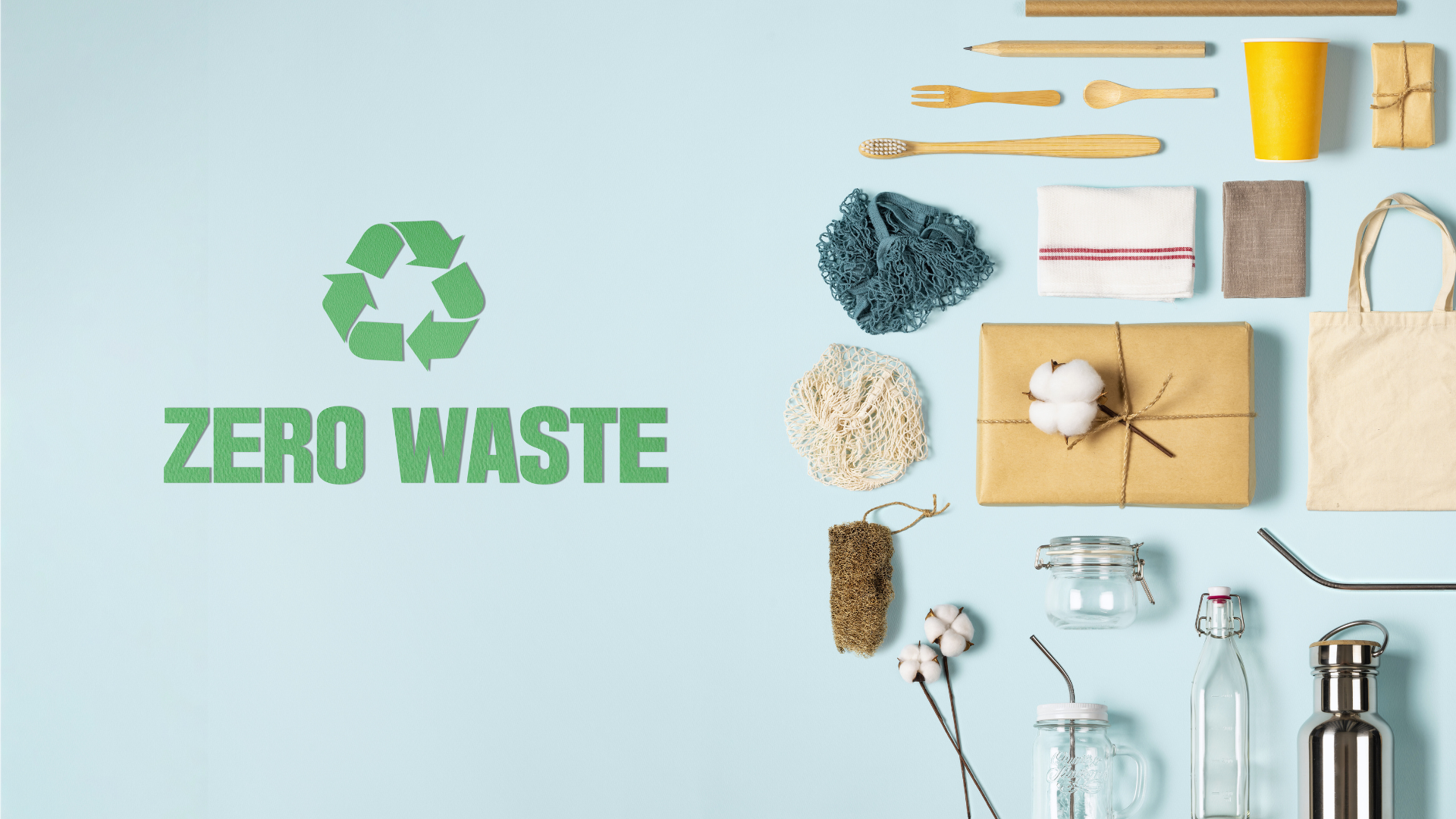
Reducing waste can seem challenging without giving up everyday comforts, but it is possible to achieve both. By making mindful choices in consumption, storage, and disposal, individuals can significantly lower their impact without feeling deprived. The key is to prioritise simple, effective swaps that maintain convenience and comfort.
Small adjustments like choosing reusable products, buying in bulk, and planning meals can lessen waste around the home. These steps do not require major lifestyle changes but encourage smarter habits that save time and money. Waste reduction becomes manageable when approached with practical strategies that fit seamlessly into daily routines.
Fundamental Strategies to Reduce Waste Without Sacrificing Comfort
Reducing waste while maintaining comfort requires practical insights into consumption habits and lifestyle choices. It involves recognising actual needs, making thoughtful adjustments, and overcoming common misconceptions about sustainable living.
Understanding Your True Needs and Overconsumption
Discerning true needs from wants is essential for lowering overconsumption. Individuals often buy items impulsively or replace functional goods unnecessarily, increasing their environmental footprint. Encouraging mindful shopping and evaluating the real value of possessions can cut waste substantially.
One useful approach is creating a list before purchases to avoid duplicates or impulse buys. Prioritising quality over quantity ensures items last longer, decreasing frequent waste generation. Tracking what one already owns helps prevent buying unused or redundant products.
Maintaining Comfort Through Practical Adjustments
Comfort can be preserved with small, manageable changes rather than drastic lifestyle shifts. For instance, switching to energy-efficient appliances reduces energy waste without affecting convenience. Similarly, using reusable items like water bottles and shopping bags saves resources and reduces single-use waste effortlessly.
Adjusting habits like temperature control—wearing suitable clothing indoors instead of over-relying on heating—can balance comfort and waste reduction. Incorporating multi-purpose products also streamlines possessions and reduces clutter, making sustainable living more achievable and practical.
Addressing Myths About Sustainable Living
Many believe sustainability demands sacrifice and discomfort, which deters efforts to reduce waste. This misconception overlooks innovations in eco-friendly products that blend efficiency with ease. For example, biodegradable or recycled materials can replace plastics without losing durability or aesthetic appeal.
Another myth is that sustainable choices are always costly. While some green products might be pricier upfront, they often save money long term through durability or reduced energy bills. Disproving these myths helps people adopt eco-friendly habits without fear of losing comfort or convenience.
Enhancing Home Energy Efficiency for Maximum Comfort
Improving home energy efficiency can lower energy consumption while maintaining a comfortable living environment. Targeted changes, such as lighting, heating, and appliance upgrades, create measurable savings without sacrificing comfort. Long-term solutions also provide renewable benefits and reduce the home’s carbon footprint.
Simple Upgrades: LED Lighting, Smart Thermostats, and Insulation
Replacing traditional bulbs with LED lighting cuts electricity use by up to 80%. LEDs last longer and emit less heat, reducing cooling costs in warmer months.
A smart thermostat or programmable thermostat adjusts heating and cooling schedules based on occupancy, optimising energy use without manual intervention. This prevents unnecessary heating or cooling when rooms are empty.
Improving insulation in walls, lofts, and floors limits heat loss in winter and heat gain in summer. This reduces greenhouse gas emissions by lowering demand on heating systems.
Together, these upgrades balance cost and comfort effectively.
Personalised Efficiency by Room
Each room has different energy needs. Bedrooms typically require less heating than living areas, and kitchens produce extra heat from appliances.
Zoning heating and cooling using smart thermostats or separate controls lets users set temperatures tailored to individual rooms. This minimises energy wasted on unoccupied or less-used spaces.
For example, lowering the heat in rarely used rooms during the day reduces energy consumption without affecting comfort in main living areas.
Using timers or sensors improves automation, reducing manual adjustments and raising overall efficiency.
Long-Term Investments: Solar Panels and Energy-Efficient Appliances
Installing solar panels harnesses renewable energy, decreasing reliance on fossil fuels and reducing greenhouse gas emissions. Solar generation can offset electricity consumption from appliances and lighting.
Investing in energy-efficient appliances rated A+++ or equivalent ensures lower energy use during operation. Refrigerators, washing machines, and dishwashers with better efficiency use less power and water while maintaining performance.
Though initial costs may be higher, these investments contribute to reducing a home’s carbon footprint over time and provide savings on energy bills.
Minimising Phantom Loads: Smart Plugs and Unplugging Devices
Many devices consume power even when turned off, known as phantom loads. These contribute to unnecessary energy consumption and increase carbon emissions.
Using smart plugs allows the user to monitor and schedule power to devices remotely, cutting off electricity completely when not in use. This is particularly useful for entertainment systems, chargers, and office equipment.
Manually unplugging devices when idle also reduces waste. Small behavioural changes like this can contribute to significant energy savings over a year.
Tracking phantom loads helps identify problem areas and optimise home energy use further.
Sustainable Lifestyle Choices That Support Comfort
Adopting sustainable habits can reduce waste without compromising convenience or ease. Practical changes in transportation, shopping habits, and daily product choices create a balanced lifestyle that lowers environmental impact while maintaining comfort.
Sustainable Transportation: Bike, Carpool, and Public Transit
Using a bike for short trips saves money and cuts emissions. Cycling also supports physical health and often shortens travel times in congested areas.
Carpooling shares costs and reduces the number of vehicles on the road, which lowers overall emissions. Coordinating schedules with coworkers or friends keeps this option flexible and comfortable.
Public transit offers a reliable, eco-friendlier alternative to individual car use. Buses and trains operate on cleaner energy sources in many cities, helping reduce carbon footprints without sacrificing timely travel.
Conscious Consumerism: Reusing, Recycling, and Supporting Preloved Markets
Reusing items extends their lifecycle and prevents waste. Choosing second-hand goods on platforms like Vinted and eBay supports circular economies and offers quality products at lower costs.
Recycling correctly ensures materials are repurposed rather than ending up in a landfill. Understanding local recycling rules is key to making this effective.
Preloved markets provide comfort by offering familiar or branded items that meet personal tastes sustainably. Shopping second-hand is an accessible way to reduce demand for new production.
Modern Habits: Eco-Friendly Products and Mindful Consumption
Switching to eco-friendly products—such as biodegradable cleaning agents or reusable household items—balances sustainability with practicality. These alternatives often perform as well as traditional products but with less environmental harm.
Mindful consumption means buying what is truly necessary, avoiding impulse purchases, and choosing durable goods. This approach reduces clutter and waste while preserving a comfortable living space.
Simple habits, like carrying a reusable water bottle or using cloth bags, contribute significantly without disrupting daily routines.
Balancing Comfort, Wellbeing, and Sustainability at Home
Creating a home that supports comfort and well-being while reducing environmental impact requires practical, intentional changes. It involves controlling the indoor environment, establishing sustainable routines, and choosing options that minimise waste and carbon footprint without compromising daily life.
Promoting a Comfortable and Healthy Living Environment
Maintaining good air quality is essential for well-being at home. Using houseplants, opening windows regularly, and choosing natural cleaning products can reduce toxins and improve air circulation. These steps help reduce exposure to harmful chemicals while maintaining a fresh atmosphere.
Temperature control also contributes to comfort and waste reduction. Installing a programmable thermostat allows heating or cooling only when needed, lowering energy consumption and carbon emissions. Additionally, using energy-efficient appliances supports a sustainable home without sacrificing convenience.
Natural lighting reduces electricity use and can enhance mood. Maximising daylight through curtains or blinds and opting for LED bulbs helps maintain a pleasant, sustainable living space.
Building Lasting Sustainable Habits
Consistency in waste reduction can be achieved by integrating straightforward habits into daily routines. Separating recyclables properly, composting organic waste, and selecting reusable containers significantly cut landfill contributions.
Shopping mindfully is another key habit. Choosing products with minimal packaging, buying in bulk, and favouring locally sourced items reduces waste and lowers the carbon footprint associated with transport and production. Keeping a list and planning meals avoids food waste.
Encouraging family or housemates to adopt these habits ensures they become part of household culture. Regularly reviewing and adjusting routines helps maintain progress towards sustainability goals.
Minimising Environmental Footprint Without Sacrifice
It is possible to reduce environmental impact while maintaining comfort through smart choices. Switching to energy suppliers using renewable sources lowers the carbon footprint without changing daily behaviour.
Upgrading to water-efficient fixtures conserves resources and can reduce water bills. Simple fixes, such as fixing leaks promptly and using low-flow taps, contribute to sustainability without discomfort.
Avoiding single-use items, like disposable cups and bags, prevents unnecessary waste. Investing in high-quality, durable products means fewer replacements and less material discarded over time, supporting a sustainable lifestyle.