
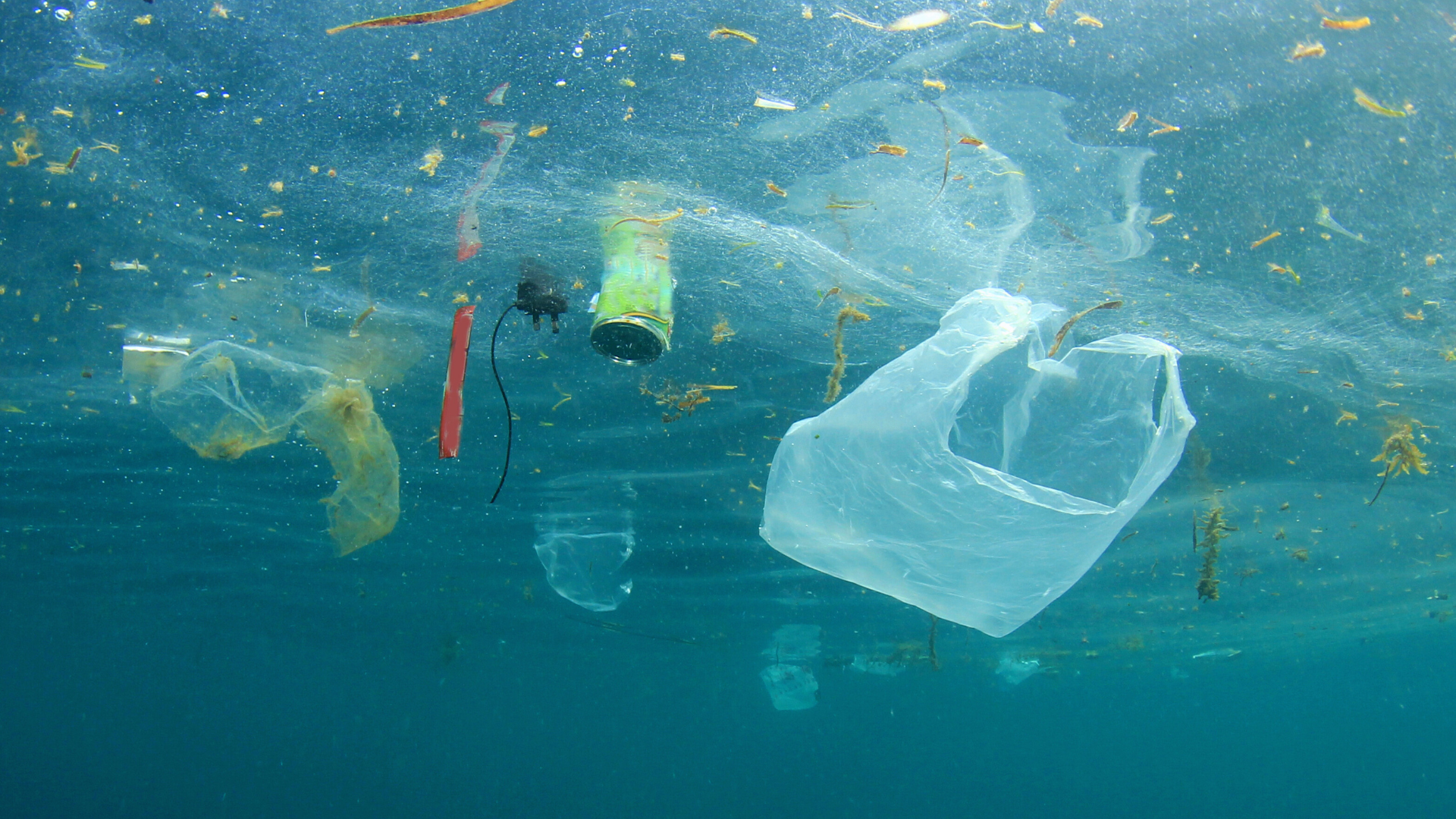
Climate change disrupts the natural cycles that regulate water availability and quality. Rising temperatures and altered weather patterns lead to increased droughts, floods, and unpredictable rainfall, all of which threaten the supply of clean drinking water.
These changes reduce the quantity and degrade the quality of water resources, making it harder to ensure safe drinking water for populations worldwide. Contaminants can become more concentrated during droughts, while floods can introduce pollutants into water sources, posing serious health risks.
Water systems and infrastructure built for historical climate conditions may no longer be adequate. As a result, communities must adapt to maintain access to clean water amid a changing climate.
How Climate Change Impacts Clean Water
Climate change alters key processes that maintain the availability and quality of clean water. These changes affect natural water supplies by modifying rainfall, evaporation, and saltwater boundaries.
Disruption of the Water Cycle
Climate change intensifies the water cycle by increasing evaporation rates due to higher global temperatures. More water vapour enters the atmosphere, but this does not always result in more precipitation where it is needed. Instead, some regions may experience heavy rainfall, while others face prolonged dry spells.
Glaciers, which act as natural freshwater reservoirs, are melting faster. This disrupts seasonal flows in rivers that many communities depend on. The loss of glacier mass reduces water availability during dry periods, worsening water scarcity.
Changes in Rainfall and Drought Patterns
Global warming affects where and when rain falls, making rainfall less predictable. Some areas, especially in the subtropics, are experiencing longer and more intense droughts. Reduced rainfall leads to lower river and reservoir levels, directly impacting drinking water sources.
Conversely, some regions face increased rainfall, which can cause flooding and contaminate clean water supplies with pollutants. These shifts strain water management systems and threaten water security for millions, especially in vulnerable communities.
Rising Temperatures and Evaporation
Higher temperatures caused by greenhouse gas emissions increase evaporation from soil, lakes, and reservoirs. This reduces surface water available for drinking and irrigation. Warmer water can also degrade water quality by promoting algal blooms, which are harmful to ecosystems and human health.
Increased evaporation rates intensify drought conditions, further stressing groundwater supplies. Water stored underground is harder to replenish in hotter, drier climates, creating long-term challenges for water sustainability.
Sea Level Rise and Saltwater Intrusion
Sea level rise, driven by global warming and melting ice sheets, pushes saltwater into freshwater aquifers near coastlines. This saltwater intrusion contaminates groundwater used for drinking and agriculture.
Salt contamination reduces the availability of potable water and can damage crops, impacting food security. Coastal communities, especially in low-lying areas, are at higher risk. Preventing saltwater intrusion requires costly adaptations and better water management strategies.
Threats to Water Quality and Availability
Climate change causes shifts in water systems that reduce clean water access. These changes increase the risk of contamination and create new challenges for maintaining safe water supplies.
Contamination from Floods and Natural Disasters
Floods often overwhelm sewage systems, leading to the release of untreated waste into rivers and lakes. This introduces harmful bacteria and viruses into water supplies, significantly degrading water quality.
Natural disasters, such as hurricanes and cyclones, can damage water infrastructure. This disruption reduces water availability and can cause prolonged periods without safe drinking water.
Floodwaters also carry chemicals from agricultural fields and industrial sites. These pollutants can persist in water sources, making treatment more difficult and costly.
Impacts of Extreme Weather Events
Droughts reduce overall water availability, concentrating pollutants in smaller volumes of remaining water. This leads to higher toxicity levels in drinking water.
Heavy rainfall events commonly result in runoff that transports nutrients like nitrogen and phosphorus into water bodies. The excess nutrients can trigger harmful algal blooms, which release toxins harmful to humans and aquatic life.
Extreme weather also affects groundwater recharge rates. Reduced recharge can limit freshwater supplies, increasing dependence on potentially contaminated surface water.
Wildfires and Water Pollution
Wildfires destroy vegetation that normally filters water, increasing sediment and ash runoff into rivers and reservoirs. This causes turbidity and introduces harmful substances such as heavy metals.
Burnt areas are more susceptible to erosion, which further degrades water quality downstream. Fire retardants used during wildfires can add chemical pollutants to water supplies.
The combination of sediment, ash, and chemicals necessitates more intensive water treatment, raising costs and straining available resources.
Waterborne Diseases and Health Risks
Contaminated water leads to greater incidences of illnesses like cholera, giardia, schistosomiasis, and diarrhoea. These diseases thrive in environments where water quality is compromised by pollution or poor sanitation.
Flooding often spreads pathogens by mixing sewage with drinking water sources. This sharpens disease outbreaks, particularly in communities with limited health infrastructure.
Harmful algal blooms, fuelled by nutrient runoff and warmer temperatures, release toxins that can cause liver damage and neurological effects in humans. Monitoring and managing these health risks requires increased resources and vigilance.
Increasing Water Scarcity and Stress
Climate change intensifies the challenges of maintaining adequate clean water supplies. Reduced rainfall, higher temperatures, and increased demand strain existing water sources, affecting availability and quality.
Water Shortages and Water Stress
Water shortages occur when demand exceeds the available supply, a condition worsened by climate shifts, causing irregular precipitation. Regions dependent on seasonal rains, such as parts of Africa along the Nile, experience prolonged dry periods, creating acute water stress.
Water stress, defined by limited freshwater per capita, leads to competition between agriculture, industry, and households. In many areas, stressed water systems mean unreliable access to clean water, forcing reliance on unsafe sources or rationing.
Impacts on Groundwater and Aquifers
Groundwater, a critical resource stored in aquifers, is declining worldwide. Climate change reduces recharge rates as rainfall becomes erratic and evaporation increases.
Private wells tapping into these aquifers often face falling water tables, risking contamination or drying out. Over-extraction caused by farming and urban growth worsens this trend, undermining long-term water security.
Rising Water Demand and Population Growth
Population growth directly raises water demand for drinking, sanitation, and food production. Urban expansions often outpace water infrastructure development, compounding supply challenges.
Higher temperatures also increase water use for irrigation and cooling. Without sustainable management, this combination leads to more frequent water shortages, particularly in rapidly growing regions.
Adapting Water Systems to a Changing Climate
Water systems face increasing pressure from rising temperatures, more frequent droughts, and extreme weather events. Upgrading infrastructure, improving treatment methods, and implementing conservation practices are essential to maintain water security and safe drinking water.
Challenges for Water Infrastructure
Water infrastructure is vulnerable to climate impacts such as floods and prolonged droughts. Old pipes, reservoirs, and treatment plants often lack the resilience to withstand changing weather patterns. Damage to these systems can disrupt water access, leading to shortages and contamination risks.
Investment in reinforcing infrastructure is critical. This includes upgrading pipelines to reduce leaks and constructing flood-resistant reservoirs. Forests and wetlands must also be protected as natural buffers that regulate water flow and quality. Climate adaptation plans must align with international goals, including the Paris Agreement, to ensure sustainable financing and governance.
Resilient Water Treatment and Desalination
Water treatment plants must adapt to variable water quality caused by increased pollutant loads during heavy rain and drought conditions. Advanced treatment technologies are required to handle fluctuating contaminants and maintain safe drinking water standards.
Desalination plants offer an alternative water source, especially in coastal or arid regions. Modern desalination units use energy-efficient processes to convert seawater to potable water. Integrating recycled water into treatment systems can reduce pressure on freshwater supplies and enhance water availability for agriculture and urban use.
Water Conservation and Sustainable Management
Effective water conservation strategies reduce demand and support sustainable management amidst climate stress. Techniques like drip irrigation improve water efficiency in agriculture, helping to stabilise food prices while conserving scarce resources.
Urban and rural areas must promote water-saving behaviours and infrastructure upgrades to reduce wastage. Policies encouraging the reuse of treated wastewater support circular water economies. These measures directly contribute to long-term water security by balancing supply and demand within evolving climatic conditions.