
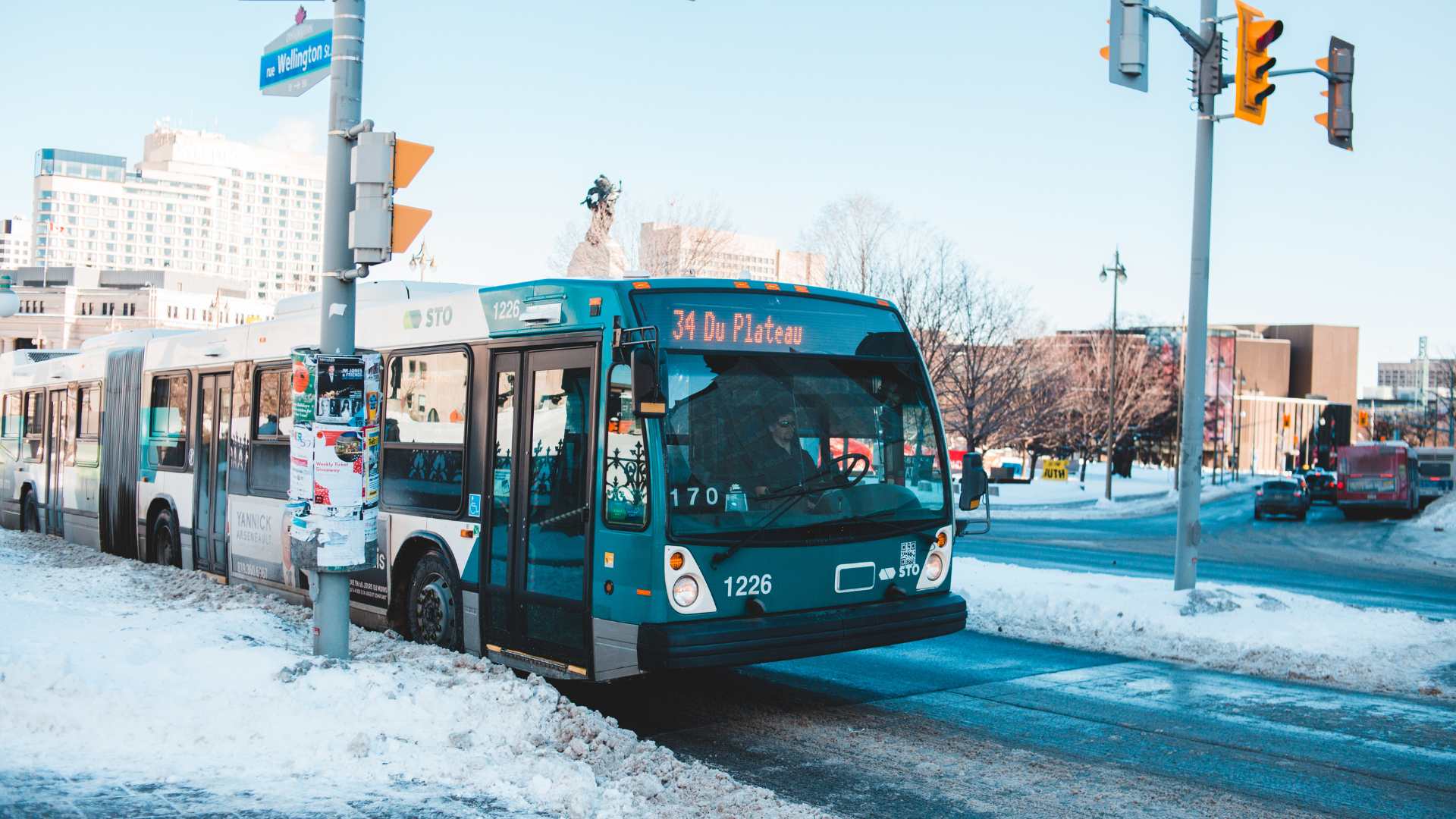
Public transport, specifically buses and trains, plays a crucial role in reducing urban air pollution. By shifting a significant number of commuters from private vehicles to these modes of transport, cities can achieve marked reductions in greenhouse gas emissions and harmful particulates. This transition not only improves air quality but also contributes to a more sustainable urban environment.
As cities grow and traffic congestion intensifies, the reliance on cars leads to increased emissions. Buses and trains offer an efficient alternative, capable of transporting many passengers at once. The implementation of cleaner technologies, such as electric and hybrid buses, further enhances their potential to minimise pollution.
Moreover, promoting public transport not only addresses environmental concerns but also fosters community connectivity. Enhanced accessibility encourages people to choose public transit options, leading to a healthier population and a cleaner city. As cities explore innovative solutions for urban transport, the benefits of investing in buses and trains become even more apparent.
The Impact of Public Transport on Air Quality in Urban Areas
Public transport plays a significant role in improving air quality in urban areas. By reducing reliance on private vehicles, it can lead to lower levels of air pollution and fewer negative health impacts.
Air Pollution and Public Health
Air pollution is a major concern in urban settings, where high traffic volumes contribute to elevated levels of harmful pollutants such as nitrogen dioxide (NO2) and particulate matter (PM). These pollutants are linked to various health issues, including respiratory diseases and cardiovascular problems.
Public transport systems, such as buses and trains, typically have a lower emissions profile than individual cars, especially when they utilise cleaner energy sources. Studies indicate that improved public transport can lead to a significant decrease in air pollution, potentially resulting in fewer premature deaths associated with air quality-related illnesses.
In cities where public transport usage increases, the overall health of the population can improve markedly. This is particularly evident in areas near major transport routes, where reduced vehicular emissions can enhance air quality.
Reduction of Greenhouse Gas Emissions
The transportation sector is a substantial contributor to greenhouse gas emissions, notably carbon dioxide (CO2). Public transport can effectively reduce these emissions by accommodating more passengers per journey. For instance, a full bus can replace as many as 30 private cars, leading to significant CO2 reductions.
In many urban areas, public transport systems are implementing measures to further reduce their carbon footprint, such as transitioning to electric or hybrid vehicles. Such adaptations contribute to a broader effort to combat climate change and improve urban air quality.
Statistics show that increased public transport use can lead to reductions of up to 45% in greenhouse gas emissions. As cities aim for sustainability, enhancing public transport options remains a critical strategy in achieving cleaner air and mitigating environmental impact.
The Evolution of Buses and Trains as Sustainable Mobility Solutions
Buses and trains have significantly transformed over the years, becoming vital components of sustainable urban mobility. Innovations in technology and infrastructure have enhanced their efficiency, reducing pollution and improving public transit systems.
Electric Bus Systems and Innovation
Electric bus systems have emerged as a key solution in reducing urban pollution. Modern electric buses are equipped with advanced battery technology, allowing for longer ranges and quicker charging times.
Many cities are investing in fully electric fleets to minimise reliance on fossil fuels. For instance, London has been increasing its electric bus fleet, aiming for a zero-emission network by 2030.
These buses often incorporate regenerative braking systems, which recover energy during stops, further increasing efficiency. As public consciousness of climate change grows, the demand for innovative electric bus solutions is likely to rise, positioning them at the forefront of sustainable mobility.
Expansion of Rail Infrastructure
The expansion of rail infrastructure plays a crucial role in enhancing the sustainability of public transport. New rail lines and modernised train systems offer faster, more efficient travel options for commuters.
For example, high-speed rail developments in Europe connect major cities, reducing the need for car travel. These systems contribute to lowering congestion and air pollution in urban areas.
Additionally, rail systems are increasingly integrating electrification projects, reducing emissions. Investments in expanding rail networks can promote more sustainable commuting, leading to a significant decrease in urban pollution levels. This shift towards rail transport is a critical step in promoting sustainable mobility in densely populated regions.
Strategies for Enhancing Ridership and Reducing Traffic Congestion
Improving urban mobility involves targeted strategies to increase public transport usage and alleviate traffic. These methods ensure more efficient commuting patterns while reducing pollution levels.
Investing in Urban Public Transport Networks
Transport authorities play a crucial role in expanding and modernising public transport systems. Significant investment in buses and trains can lead to more reliable, timely services. This includes enhancing routes, increasing frequency, and improving infrastructure.
For instance, cities can analyse data on travel patterns to identify high-demand areas. By establishing dedicated bus lanes or optimising train schedules, authorities can reduce travel times and attract more riders.
Additionally, integrating various modes of transport, such as cycling and walking, with public transit ensures seamless connections. The construction of well-placed transit hubs can facilitate easier transfers and encourage greater ridership.
Promoting Free and Sustainable Public Transit Options
Free public transport initiatives, such as those implemented in Luxembourg, demonstrate the potential impact on ridership. By eliminating fares, there can be a significant increase in usage, leading to reduced traffic congestion and enhanced air quality.
Sustainable public transit options, like low-emission buses and electrified trains, are essential in this strategy. Transport authorities should prioritise investing in green technologies to minimise environmental impact.
Moreover, awareness campaigns promoting the benefits of using public transport can shift public perception. Highlighting the convenience, savings, and positive environmental contributions can encourage more individuals to choose public transport over personal vehicles. Triggering a cultural change in commuting can enhance urban mobility significantly.
Case Studies and International Perspectives
Cities around the world are exploring innovative transport solutions to reduce pollution. Notable initiatives, such as Luxembourg’s free transport programme and the integration of trams and buses in urban planning, showcase practical approaches to achieving sustainability.
Luxembourg’s Free Transport Initiative
Luxembourg made headlines by introducing the world’s first nationwide free public transport system in 2020. The initiative aims to encourage citizens to abandon cars in favour of buses and trains, thereby reducing traffic congestion and lowering greenhouse gas emissions.
Since its implementation, public transport usage has increased significantly, contributing to a notable decrease in urban pollution levels. The initiative highlights how eliminating fares can foster greater accessibility while promoting sustainable choices.
Trams and Buses in Sustainable City Planning
In many cities, trams and buses have been integral to sustainable urban development. For instance, Luxembourg City is enhancing its public transport network by investing in modern tram lines that connect key urban areas.
The integration of natural gas and electric buses into existing transport frameworks also demonstrates a commitment to cleaner alternatives. Well-planned bus lanes and tram systems reduce reliance on fossil fuels, improving air quality and encouraging a shift towards sustainable mobility patterns.
By placing public transport at the core of urban strategies, cities can effectively combat pollution while promoting a greener future.