
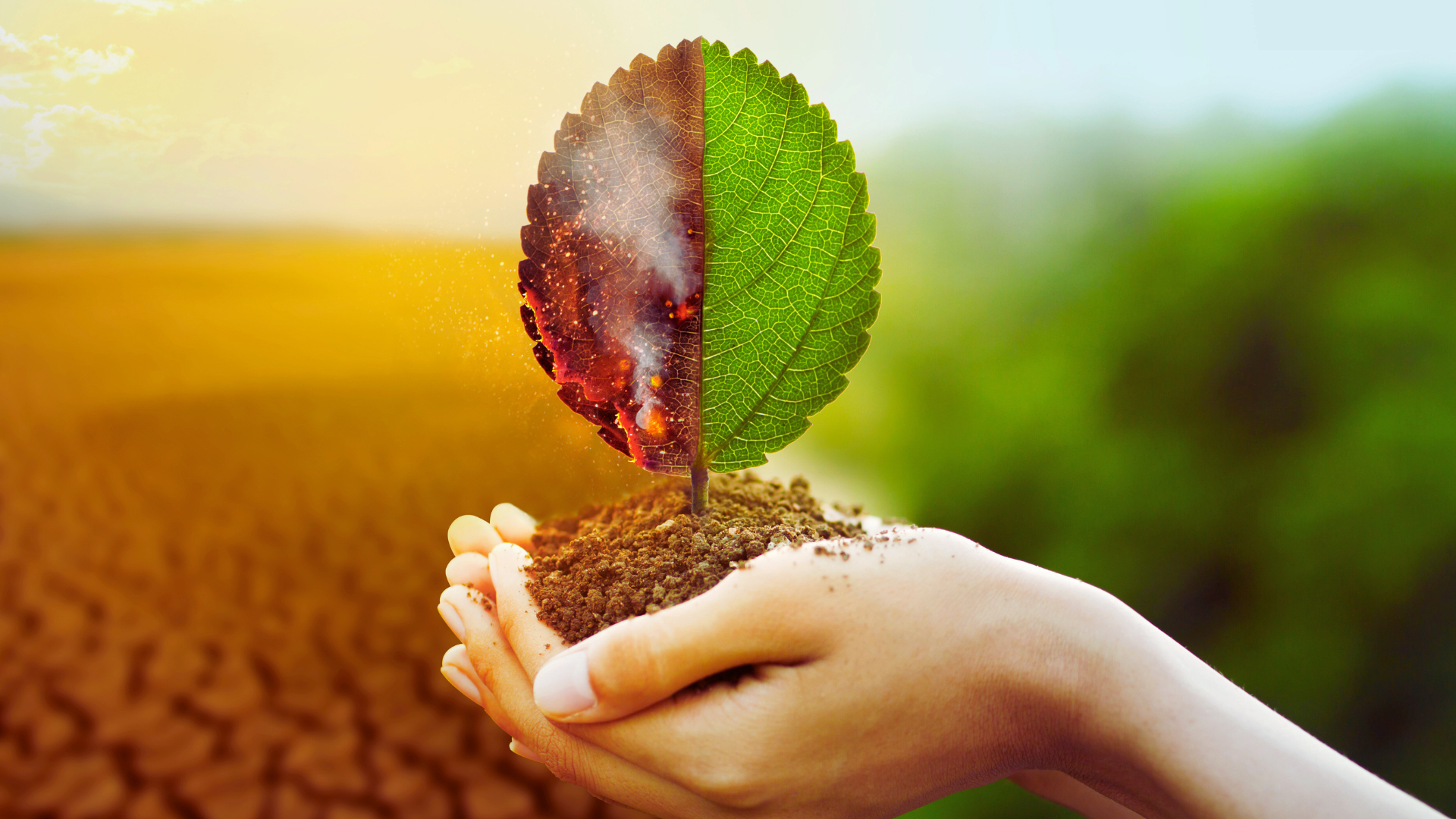
Climate change is a pressing issue that affects ecosystems and human societies globally. The key factors driving this phenomenon are greenhouse gases, which trap heat in the atmosphere and lead to global warming. Understanding the mechanisms behind climate change reveals how human activities, such as burning fossil fuels and deforestation, significantly contribute to the increase in these harmful gases. You can find out more information on the latest gas news by reading articles from online news outlets.
The science behind climate change encompasses various disciplines, including atmospheric science, ecology, and environmental policy. Researchers have documented shifts in weather patterns, rising sea levels, and biodiversity loss as direct consequences of climate change. Each of these elements underscores the urgency of addressing greenhouse gas emissions to mitigate further impacts on the planet.
With rapid advancements in climate science, the effects of climate change are becoming increasingly evident. By investigating the causes and consequences, individuals can better comprehend the importance of sustainable practices. This knowledge is crucial for making informed decisions and fostering a more resilient future.
The Science of Climate Change
Climate change is fundamentally linked to the greenhouse effect and variations in greenhouse gas concentrations over time. Understanding these components is crucial for grasping how human activities influence global temperatures.
Greenhouse Effect and Atmospheric Chemistry
The greenhouse effect occurs when certain gases in the atmosphere trap heat from the Earth’s surface. Key greenhouse gases include carbon dioxide (CO₂), methane (CH₄), and nitrous oxide (N₂O). These gases allow sunlight to enter but prevent some of the heat from leaving, leading to a warming effect.
Carbon dioxide, predominantly released through the burning of fossil fuels, has a long atmospheric lifetime and contributes significantly to the greenhouse effect. Methane, while more potent in trapping heat, has a shorter lifespan, but its increased levels from agriculture and landfills intensify warming. Nitrous oxide, largely emitted from agricultural practices, also plays a role in this complex atmospheric chemistry.
Historical and Current Greenhouse Gas Concentrations
Historical data indicate that atmospheric concentrations of greenhouse gases fluctuated prior to industrialisation. Ice core samples reveal that levels of CO₂ were around 280 parts per million (ppm) before the 19th century. Since then, concentrations have surged to over 410 ppm primarily due to human activities.
Methane levels have also risen significantly, from about 700 parts per billion (ppb) to over 1800 ppb today. This increase is driven by agricultural practices, fossil fuel extraction, and waste treatment. The rise in nitrous oxide concentrations, which have reached around 350 ppb, correlates chiefly with synthetic fertiliser use. These trends illustrate the marked impact of human activity on atmospheric composition and climate dynamics.
Human Contributions to Climate Change
Human activities significantly impact climate change, primarily through energy production and land use. These actions increase greenhouse gas concentrations in the atmosphere, contributing to global warming and environmental shifts.
Energy Production and Use
Energy production is a major contributor to climate change, particularly through the burning of fossil fuels such as coal, oil, and natural gas. These fuels release substantial amounts of carbon dioxide (CO₂) and other greenhouse gases when combusted for electricity, heating, and transportation.
According to the Intergovernmental Panel on Climate Change (IPCC), energy production accounts for about 70% of global greenhouse gas emissions. The reliance on non-renewable energy sources hampers efforts to reduce these emissions. Transitioning to renewable energy alternatives, such as solar, wind, and hydropower, is essential to mitigate climate change impacts.
Investment in energy efficiency can also play a role in reducing energy consumption and emissions, making it a crucial aspect of climate action.
Deforestation and Land Use Changes
Deforestation and land use changes contribute to climate change by releasing stored carbon in trees and soil. When forests are cleared for agriculture, urban expansion, or logging, the carbon dioxide captured by trees is released back into the atmosphere.
Forests serve as vital carbon sinks, absorbing approximately 2.6 billion tonnes of CO₂ annually. When these ecosystems are disrupted, their ability to mitigate climate change diminishes. Additionally, land conversion often leads to increased soil degradation and loss of biodiversity.
Sustainable land management practices, such as agroforestry and reforestation, can enhance carbon storage and reduce emissions. These practices emphasise the importance of preserving natural habitats and optimising land use to combat climate change effectively.
Observing and Modelling the Climate System
Understanding the climate system relies on accurate data collection and advanced modelling techniques. These methods provide critical insights into climate change processes and predictions.
Climate Records and Data Analysis
Climate records encompass a range of data sources, including temperature, precipitation, and atmospheric composition. These records, collected over decades and centuries, reveal patterns and trends essential for understanding climate change.
Key sources of climate data include:
- Ice cores: These provide historical climate information by trapping bubbles of gas from various eras in time.
- Tree rings: The width of rings indicates growth conditions affected by climate factors.
- Satellite observations: Modern technology allows for consistent data collection and monitoring of global changes.
Analysis of these records helps identify significant climate trends. The Intergovernmental Panel on Climate Change (IPCC) utilises this information to assess the state of the climate.
Advancements in Climate Modelling
Climate models simulate the Earth’s climate system by taking into account various factors, including greenhouse gas concentrations and ocean circulation patterns. These models are essential for predicting future climate scenarios.
Recent advancements have led to more accurate and complex climate models. Key features include:
- Higher resolution: Improved spatial resolution allows for a better representation of local climate systems.
- Incorporation of feedback mechanisms: Models now include interactions, like how ice melt affects ocean currents, to produce more reliable results.
The IPCC’s assessments are heavily reliant on these sophisticated models, helping to inform policy decisions. By continually refining these tools, scientists can enhance prediction accuracy and better understand the implications of climate change.
Impacts and Adaptation
Climate change results in significant impacts on both natural systems and human societies. These shifts include alterations in ecosystems and biodiversity, alongside various socioeconomic effects requiring adaptation strategies.
Ecosystem Changes and Biodiversity Loss
Climate change contributes to shifts in ecosystems and threatens biodiversity. As average surface temperatures rise, habitats are disrupted, influencing species distribution and interactions. Changes in precipitation patterns lead to increased flooding or prolonged droughts, both of which can severely affect plant and animal life.
For instance, ocean acidification threatens marine ecosystems, particularly coral reefs and shellfish, which rely on stable pH levels. Arctic sea ice loss not only impacts native species like polar bears but also contributes to global weather pattern changes. These disruptions underscore the urgent need for conservation efforts and habitat restoration to help maintain biodiversity.
Beyond environmental impacts on wildlife and natural habitats, these changes can also directly affect local communities and residential areas. Increased rainfall, stronger storms, and rising water levels often lead to flooding that damages homes, infrastructure, and public spaces. In many regions, prolonged moisture exposure can weaken building materials, affect indoor air quality, and create conditions for mold growth.
During such situations, hiring professionals who offer services such as water damage restoration Windsor, CO (or elsewhere) helps ensure that affected properties are properly cleaned, dried, and restored before the damage becomes more severe. Consequently, taking prompt action after flooding not only helps protect homes from long-term structural issues but also supports faster and safer community recovery following climate-related events.
Socioeconomic Effects and Adaptation Strategies
The socioeconomic impacts of climate change are extensive and multifaceted. Rising sea levels threaten coastal communities, prompting the need for enhanced infrastructure and flood management systems.
Agriculture faces challenges due to unpredictable weather and changing precipitation. Farmers may need to adopt more resilient crops or alter planting schedules to adapt effectively.
Investment in renewable energy sources plays a crucial role in reducing greenhouse gas emissions. Adaptation strategies include improving water management, diversifying food sources, and developing policies to support affected communities.
These measures can mitigate the effects of climate change while fostering a sustainable future.